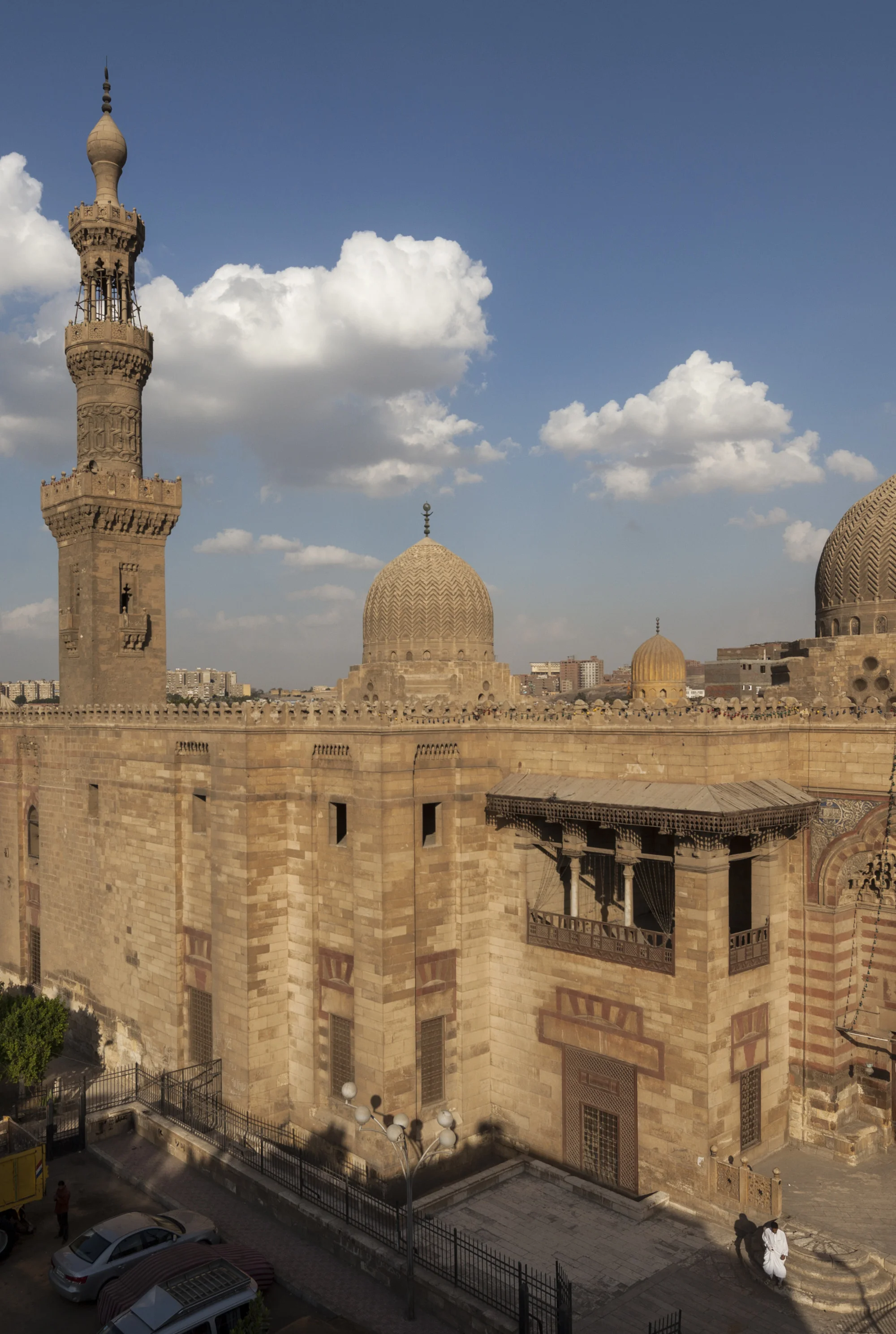
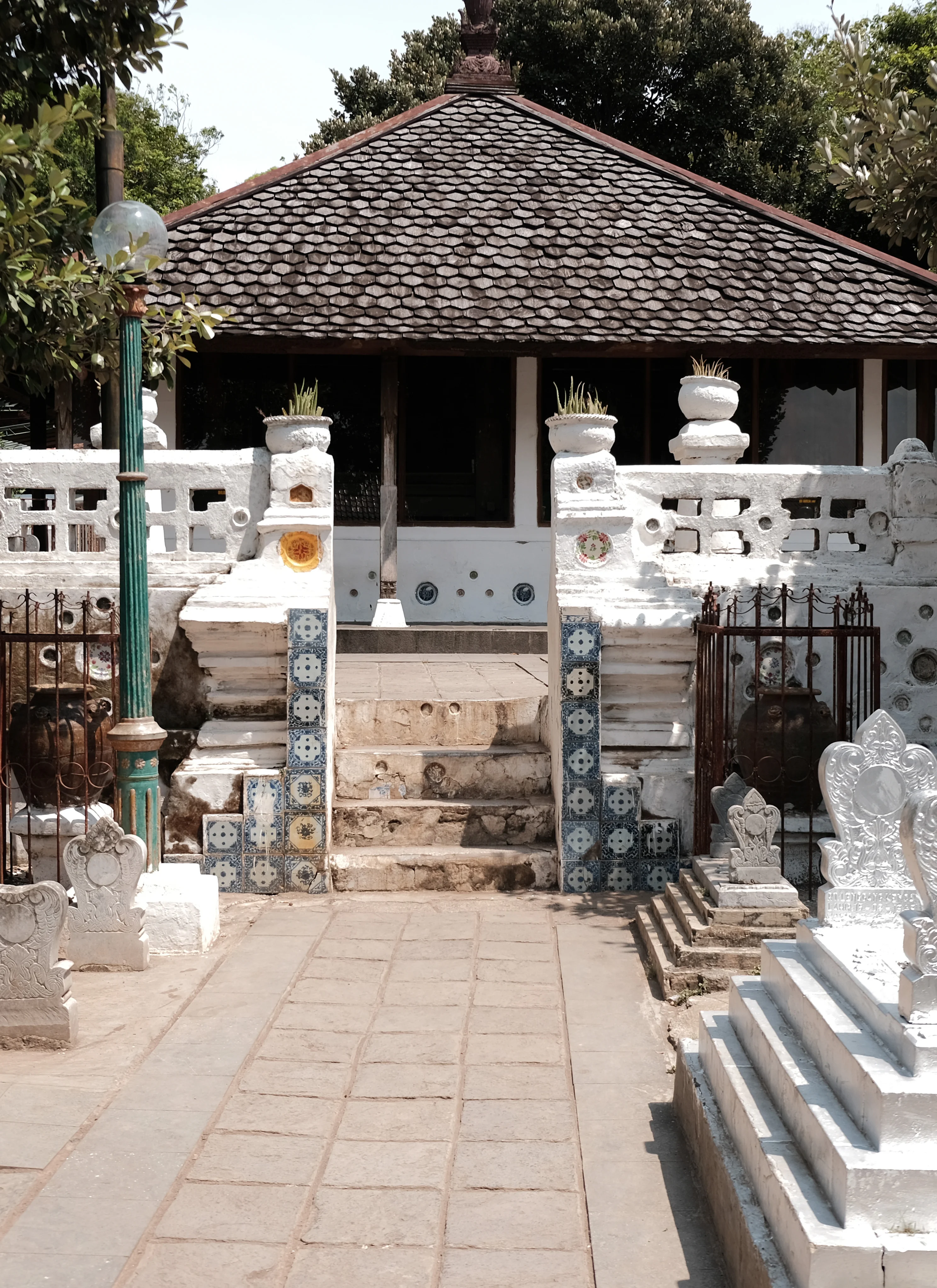
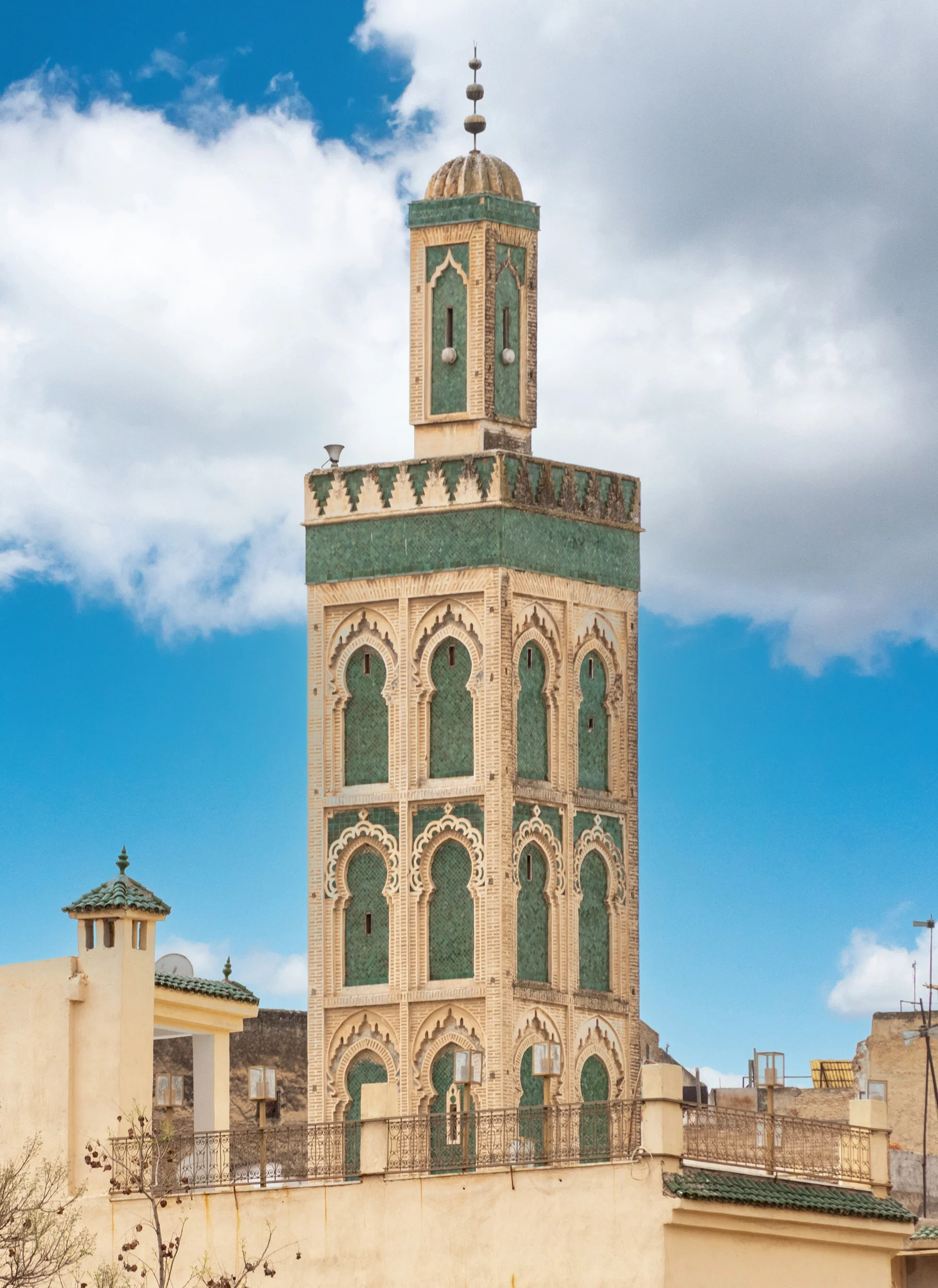
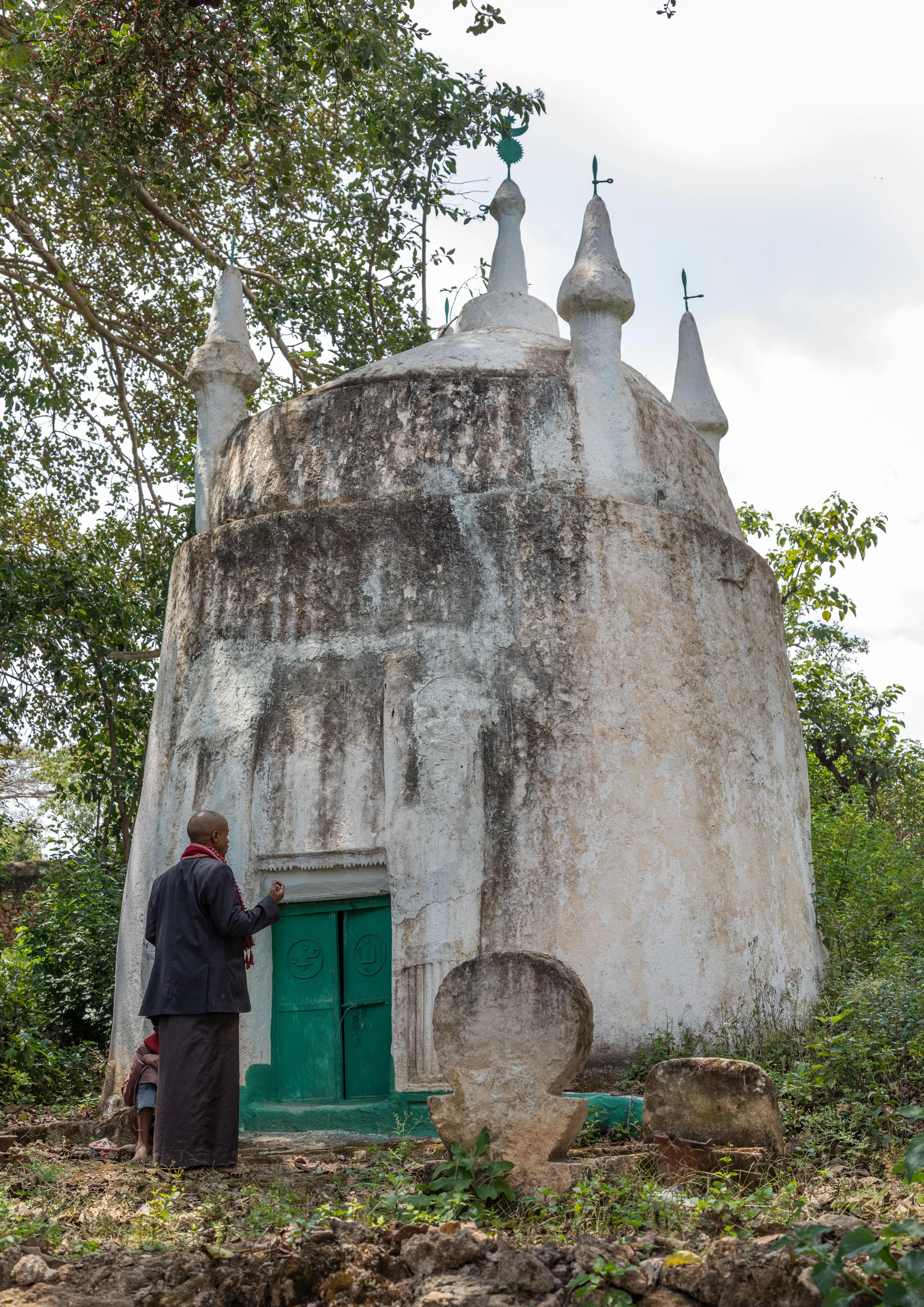
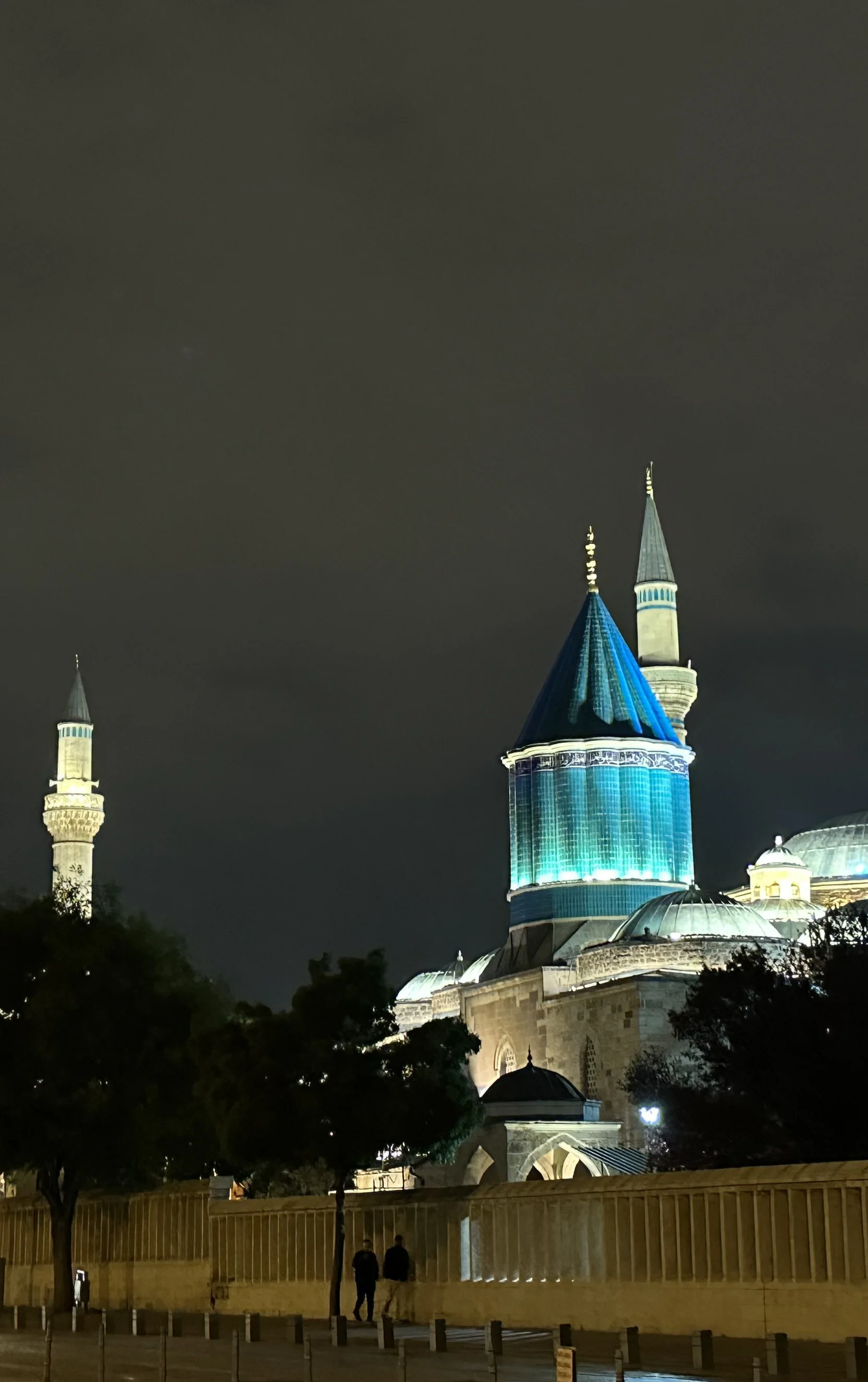
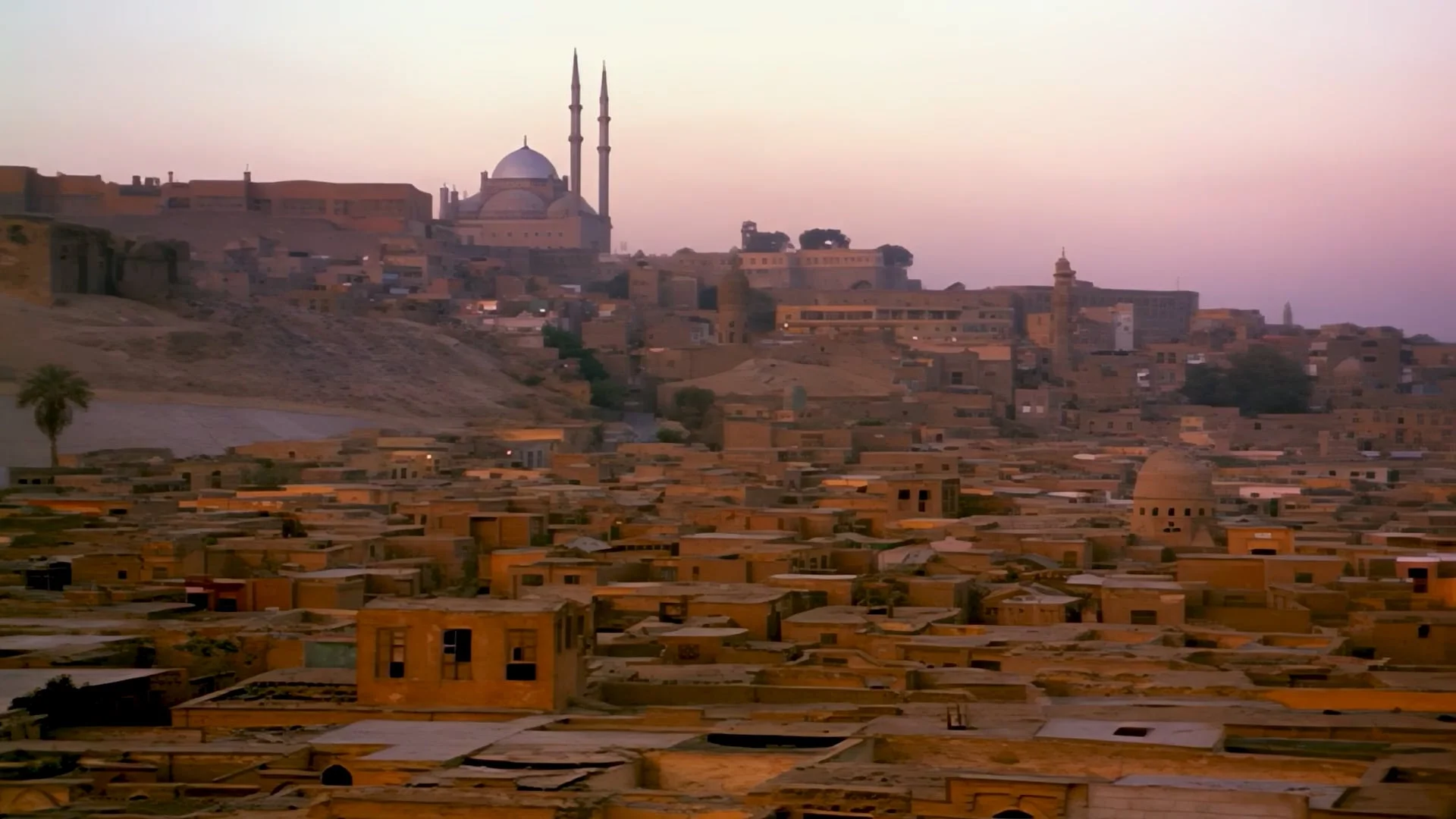
 Rooftop view of a densely built area with flat-roofed buildings and a domed mosque with tall minarets in the background, set against a hazy sky at sunset.
Cairo
Egypt
Al-Qarafa: the City of the Dead
Today, the district of Al-Qarafa in Cairo is better known by its nickname: The City of the Dead. Founded in the seventh century and located on the outskirts of the city, the necropolis covers more than one thousand acres. It is divided into two parts around the Cairo citadel—which was built by the Ayyubid ruler Salah al-Din ibn Ayyub, known as Saladin (d. 1193)—that are called the Southern and Northern Cemeteries. Al-Qarafa is integral to Cairo’s urban landscape as the home to hundreds of thousands of residents.
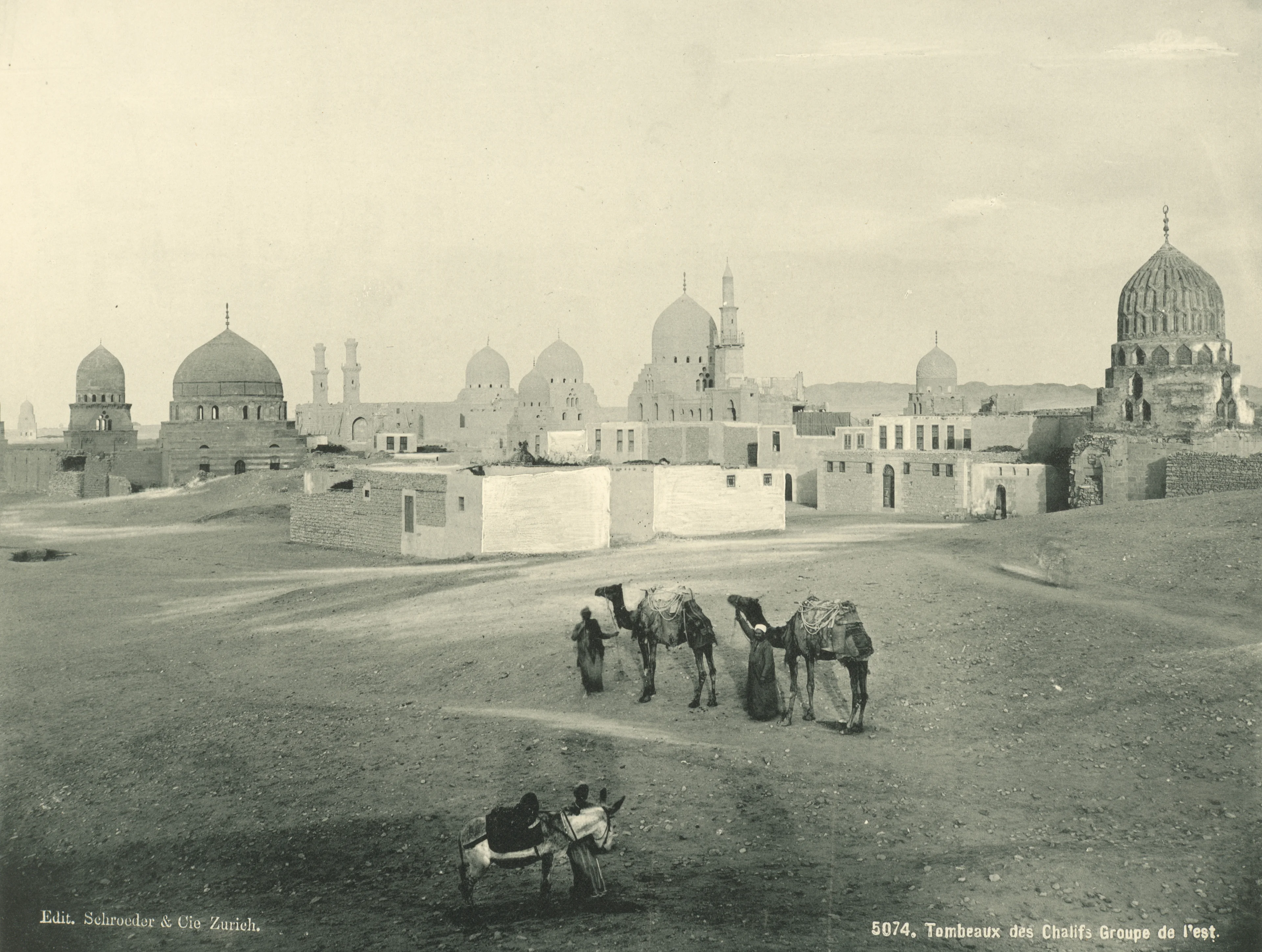
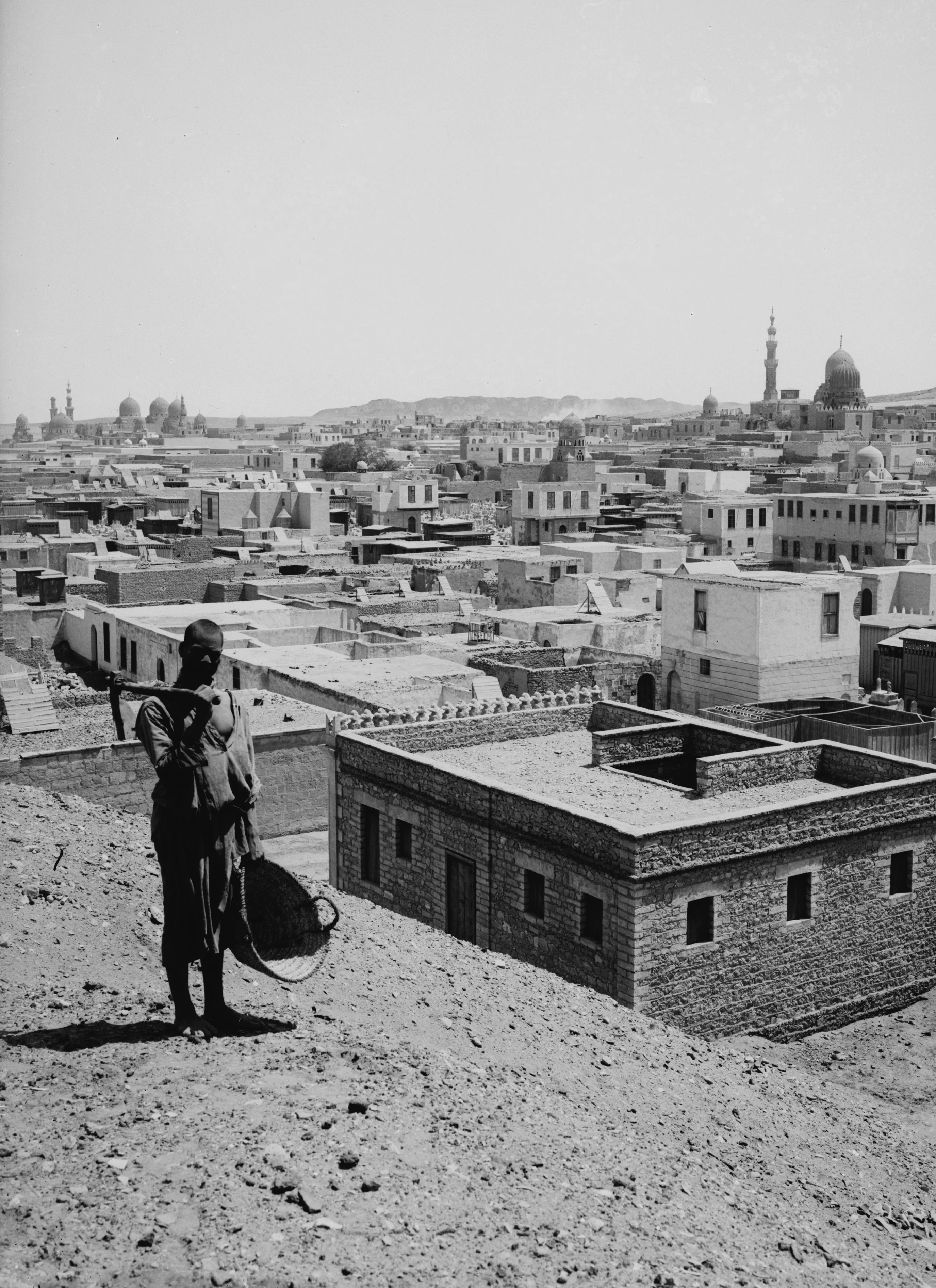
Library of Congress, Prints & Photographs Division, LC-DIG-matpc-01469
The necropolis greatly expanded during the Mamluk period (1250–1517). The impetus for the growth was the wish of Sultan Barquq (r. 1388–99) to be buried next to the tombs of Sufi shaykhs to receive continuous baraka. Subsequent sultans also built impressive complexes, which not only included their mausoleums, mosques, madrasas, and Qur’anic schools but also khanqas. These large architectural ensembles attest to the popularity of Sufism after 1300. Dotted with funerary structures and bustling with life, the desert was gradually transformed into residential neighborhoods and places for commercial activities.
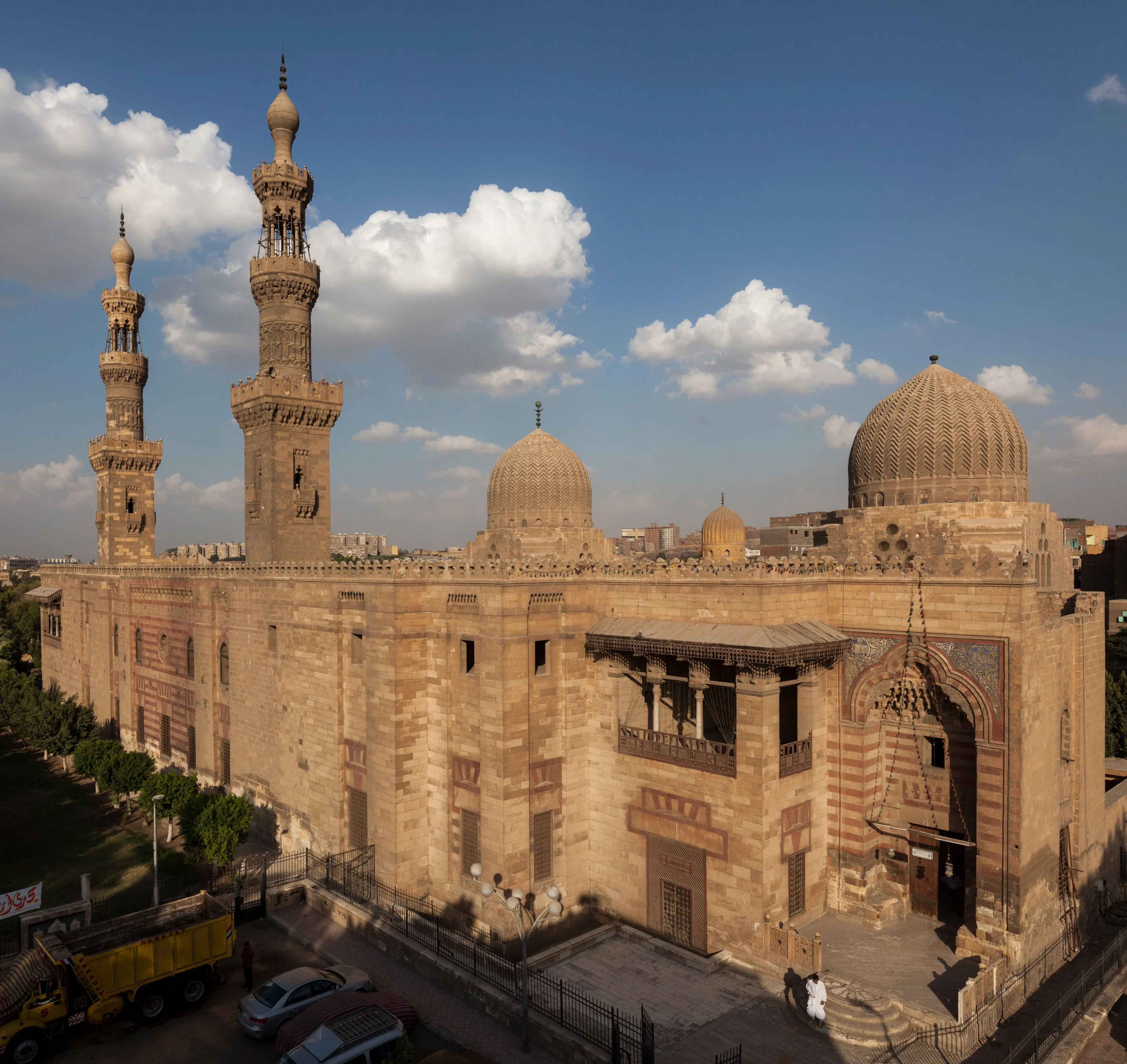
© Bernard O’Kane
One of these typical tomb complexes was built for Sultan Barquq by his son Faraj (r. 1400–11). It included a Friday mosque, a Qur’anic school, two mausoleums, water dispensaries, and small apartments for the founder’s family. It took eleven years to complete the construction. A distinctive trait of such Mamluk complexes is the inclusion of a khanqa, a permanent space for a community of Sufis.
It is unclear which specific tariqa was hosted there, and it may have changed over time as sultans and the elites would favor various orders. To ensure the necessary seclusion for the tariqa’s members, their living quarters were oriented away from the public; windows of the khanaqa face toward the desert and the tombs rather than the city.
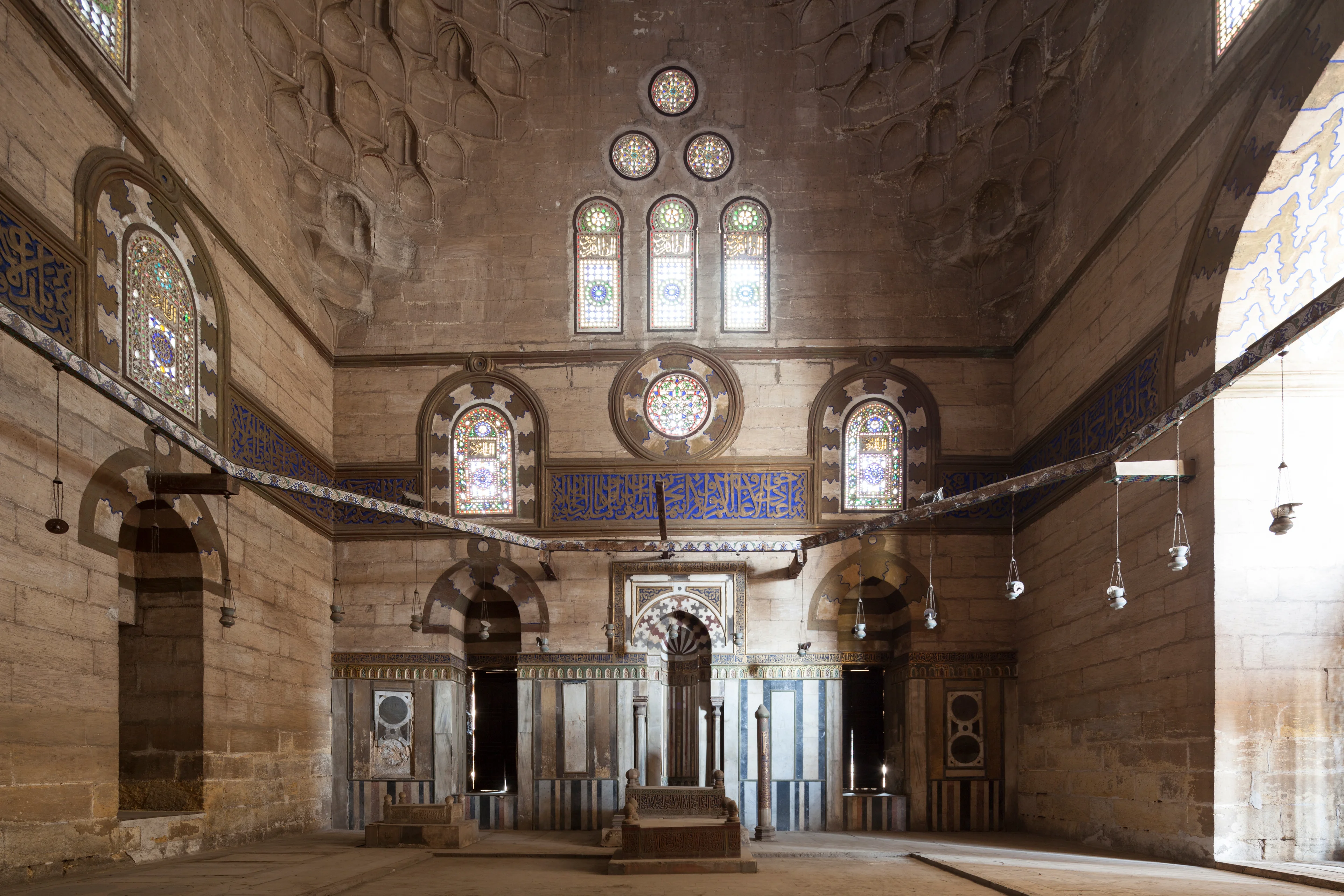
© Bernard O’Kane.
Since the thirteenth century, Sufi shaykhs emerged as authoritative figures and were revered equally by the aristocracy and the populace. An eminent specialist of Mamluk art, Prof. Doris Behrens-Abouseif discusses how architecture mirrors the social changes which accompany the patronage of Sufis in the Mamluk sultanate.
The Mamluks and the Sufis: Architectural and Artistic Patronage in Cairo (1250–1517)
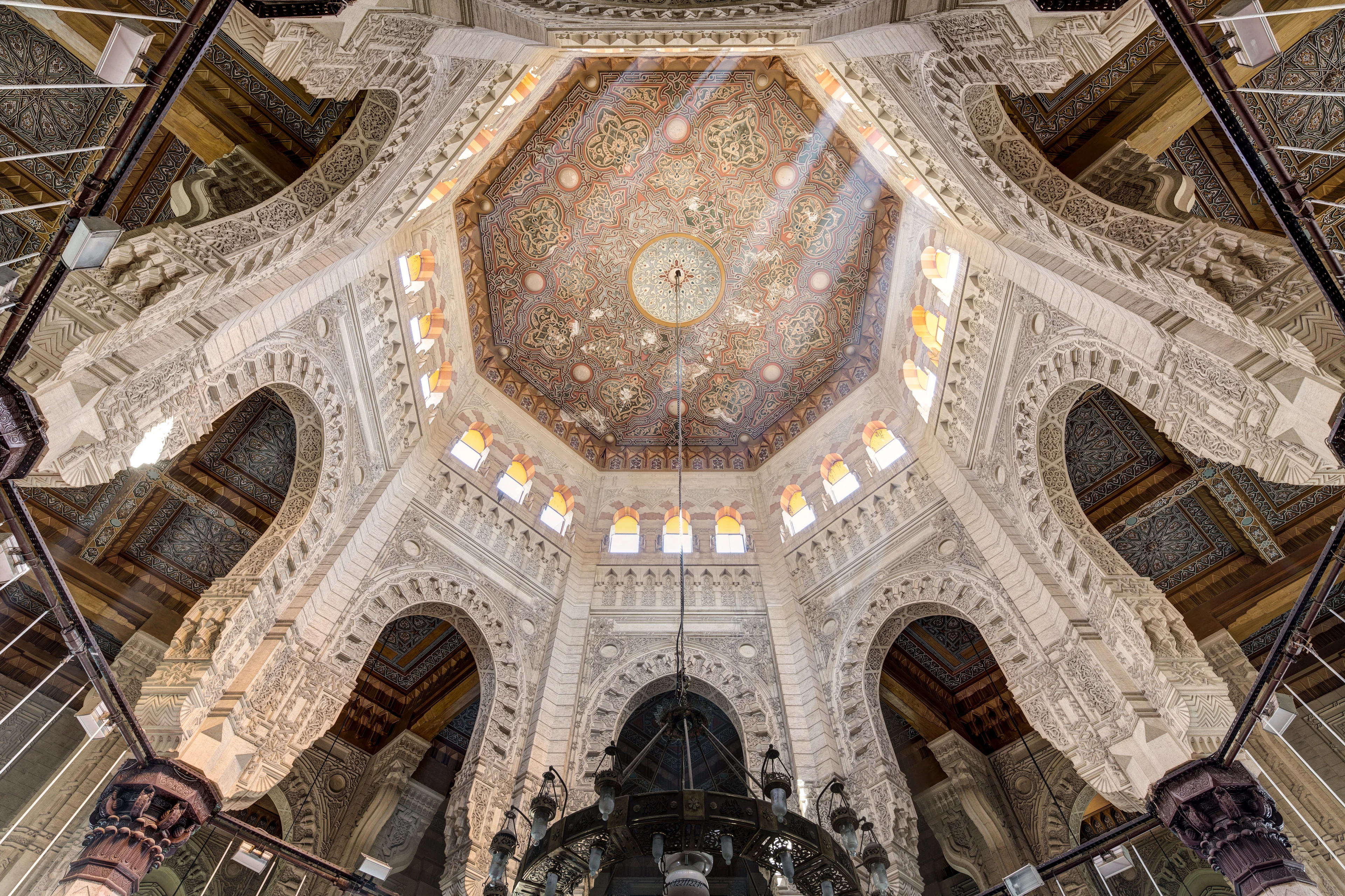
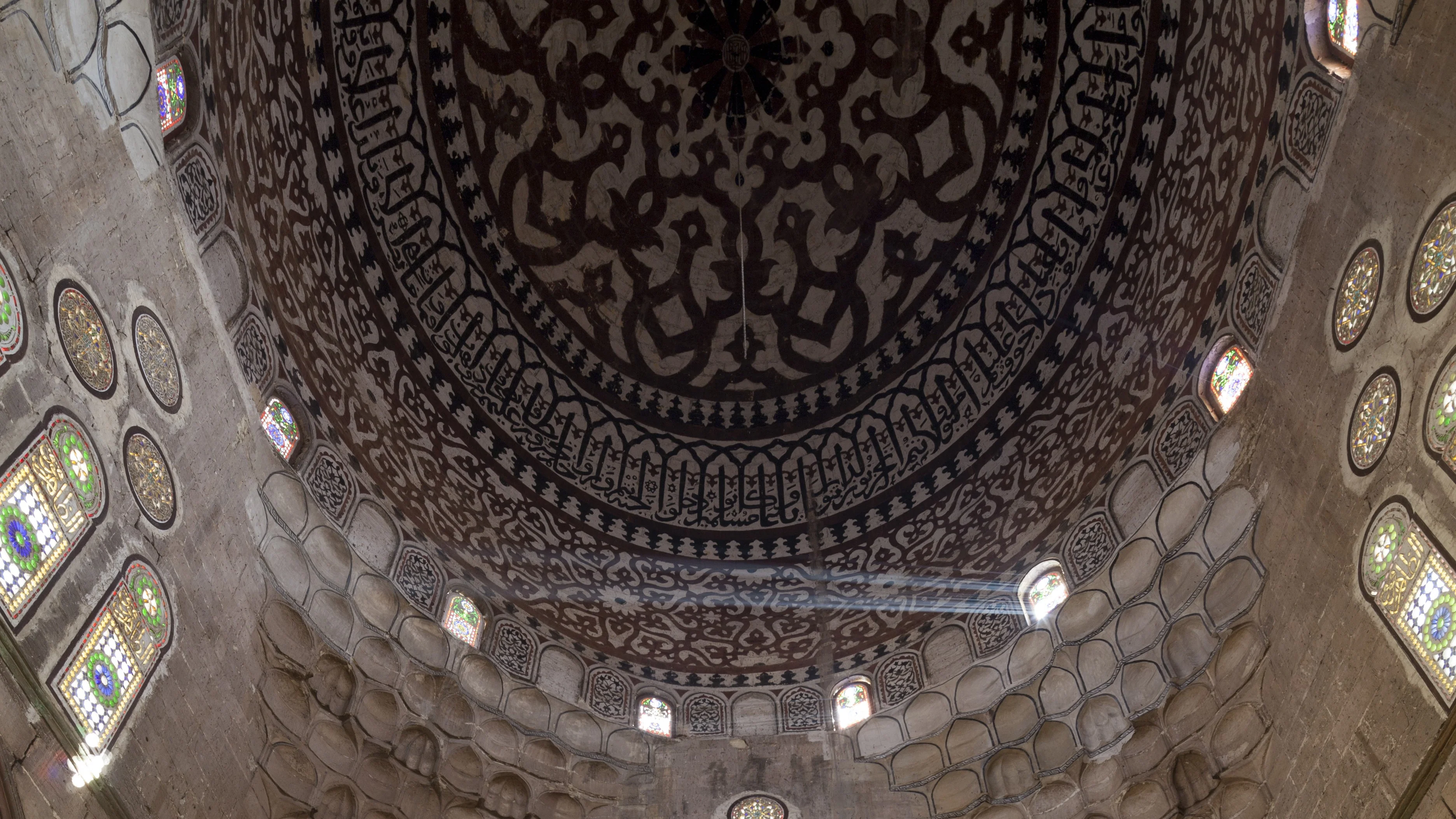 Interior view of an ornate domed ceiling with intricate patterns and Arabic calligraphy, surrounded by arched stained glass windows letting in beams of light.
View Transcript and Credits
Prof. Doris Behrens-Abouseif, Research Professor at SOAS, University of London
In the Mamluk period in Egypt and Syria, Sufism flourished to become state and popular religion. This was achieved thanks to the sultans’ considerable patronage of Sufi institutions and shrines and the veneration of Sufi shaykhs and saints the rulers shared with their subjects. Sultan al-Zahir Baybars for instance favoured Shaykh Khidr who accompanied him in his military campaigns against the Crusaders in the 1260s and 70s and exerted great influence on him before he fell in disgrace.
In the first half of the 14th century, Sultan al-Nasir Muhammad, who transformed Cairo with urban and architectural projects and founded there two mosques and a madrasa, chose however, to be buried in a mausoleum attached to the monastery for Sufis (khanqa) he built near his hunting ground and pleasance quarter outside Cairo. Nothing of this lavish funerary complex survives.
Later on, Sultan Barquq preferred to be buried in the vicinity of the Sufis in the northern cemetery rather than in the mausoleum attached to the religious complex he built in the heart of the city.
With funds he allocated to that purpose, his son and successor Faraj erected one of the grandest Mamluk monuments, a funerary khanqa with a novel symmetrical layout where a pair of stone domes, the largest ever built in this period, face a pair of minarets.
Likewise in the fifteenth century, Sultan Barsbay preferred to be buried in the khanqah he built in the cemetery rather than in his urban funerary complex. The emirs followed suit, sponsoring lavish khanqas with their mausoleums in the cemetery. Some of their vestiges can still be admired despite major recent losses.
The princely khanqas and the later multifunctional institutions were not associated to any specific tariqa; however, some sultans favoured individual shaykhs or Sufi orders.
In its early history the khanqah developed separately from the madrasa, the college for orthodox religious studies.
Gradually, however, both institutions were united under the same roof then merged in a multifunctional institution integrating Sufism with Sunni orthodoxy. Followingly, the function of the mosque as evolved as well. Initially the foundation of a jami‘, or mosque where the Friday sermon is held, was the prerogative of the ruling establishment.
This restriction was waved in the late 15th century, allowing commoners including Sufi shaykhs to found their own Friday Mosques, which spread in great number in the city.
Once Sufism became inherent in scholarship and worship, no new residential khanqas were founded. The complex of Sultan Inal is the latest known to have included a traditional khanqa.
The funerary complex of Sultan Qaytbay consisted of a Friday Mosque with a Sufi curriculum for a shaykh and forty followers, a pattern common in all later mosques. The fusion between scholar and Sufi is attested in the biographies of men of the religious establishment who were usually affiliated to a Sufi order, sometimes even to more than one.
Material culture corroborates this social-religious development. Mosques founded by Sufi shaykhs in the late Mamluk period bear the attributes of princely monuments. The Friday Mosque of Shaykh Madyan who enjoyed the patronage of Sultan Jaqmaq’s wife, built in the style of contemporary princely monuments with a stone minaret, is a mid fifteenth-century example.
Around the same time, Shaykh Muhammad al-Ghamri built a mosque with a minaret that caught the eye of nineteenth-century Scottish painter David Roberts. The shaykh who earned his living as a craftsman, attracted a large community of disciples and founded several mosques in the province. The stone minaret was sponsored by a merchant from the neighbourhood.
The donated pulpit (minbar), which stands today at the funerary mosque of Sultan Barsbay in the cemetery, is a masterpiece of woodwork made by the most prominent carpenter of that time who worked for the sultan and the emirs.
Muḥammad’s son, Abu ’l-ʿAbbas al-Ghamri, was also a remarkable figure who founded a mosque in the town of Mahalla in the 1490s. Its minaret is the only provincial minaret of this period to be built in stone. He is reported to have built as many as fifty mosques for which he was able to transport building materials from ancient monuments more efficiently than a sultan could!
Shaykh Abu ’l-‘Ila, a Sufi saint who moved from Mecca to Cairo has a mosque with his mausoleum on the shore of the Nile which could compete in all its architectural and decorative features with any princely monument of the period; it was sponsored in the 1480’s by a merchant. Its elaborately carved stone minaret bears one of densest inscription programme on a Cairene building, and its pulpit is a masterpiece of woodwork signed by its maker.
Shaykh Abd al-Qadir al-Dashtuti (d.1518) who is credited with the foundation of several Friday mosques, was an ascetic mystic, highly venerated among the Mamluk aristocracy and especially by Sultan Qāytbāy. He founded a mosque with a stately mausoleum dome and a remarkable minbar on the shore of one of Cairo’s ponds. Following the example of emirs, he enlarged a canal connected to the pond to allow the navigation of boats to the venue.
Throughout the period, the aristocratic military cast of the Mamluks, of alien Turkic and Caucasian origin, were able to establish a solid bond with their subjects with the patronage of Sufism. It earned them general approval in religious and scholarly as well as popular opinion.
Inner dome of the male mausoleum in the mosque-khanqa of Faraj ibn Barquq. © Bernard O’Kane.
Main gate of the Mosque of Sultan al-Zahir Baybars. © Bernard O’Kane.
Aerial view of the Mosque of Sultan al-Zahir Baybars. Credit Line: © Bernard O’Kane.
Madrasa of Sultan al-Nasir Muhammad. © Bernard O’Kane.
Funerary mosque-khanqa of Faraj ibn Barquq. © Bernard O’Kane.
Funerary mosque-khanqa of Faraj ibn Barquq. View from the street. © Bernard O’Kane.
Funerary khanqa of Barsbay. © Bernard O’Kane.
Khanqa of Baybars II (al-Jashankir). © Bernard O’Kane.
Funerary khanqa of Sultan Inal. Tom Feiling / Alamy Stock Photo.
Funinary complex of Sultan Qaytbay. © Bernard O’Kane.
Mosque of Shaykh Madyan. © Bernard O’Kane.
Egypt and Nubia, Volume III: The Minaret of the Mosque El Rahmree, color lithograph by Louis Haghe after David Roberts, 1848. The Cleveland Museum of Art, bequest of John Bonebrake, 2012.251. https://www.clevelandart.org/art/2012.251
Minbar of the mosque of Shaykh Muhammad al-Ghamri now in the funerary mosque of Sultan Barsbay. © Bernard O’Kane.
Minaret and dome of the mosque of Shaykh Abu ’l-‘Ila. © Bernard O’Kane.
Minbar in the mosque of Shaykh Abu ’l-‘Ila. © Bernard O’Kane.
Minbar in the mosque of Shaykh Abd al-Qadir al-Dashtuti. © Bernard O’Kane.
Funerary Complex of Emir Qurqumas. © Bernard O’Kane.
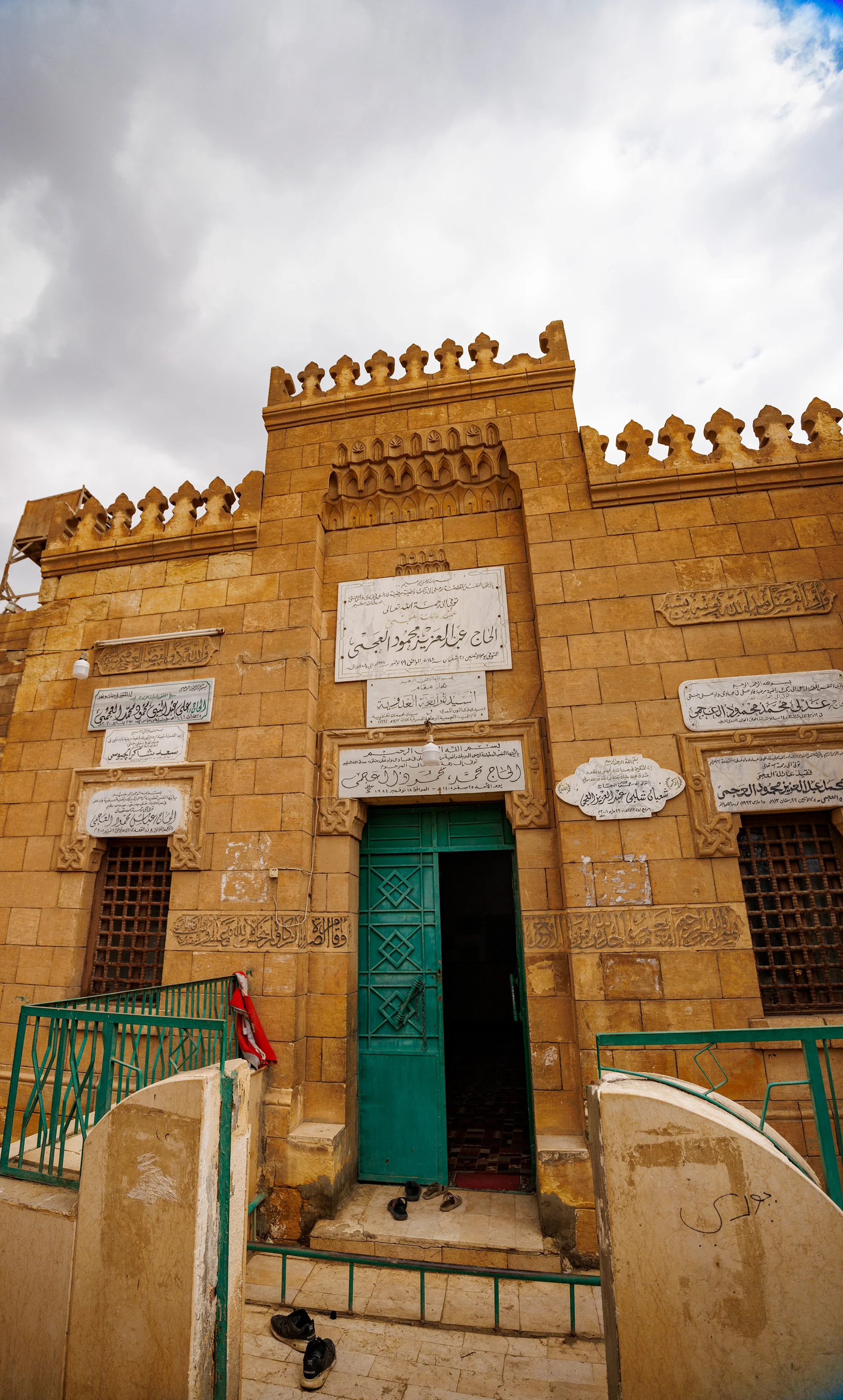
© Bernard O’Kane
A City of Saints and Sufis
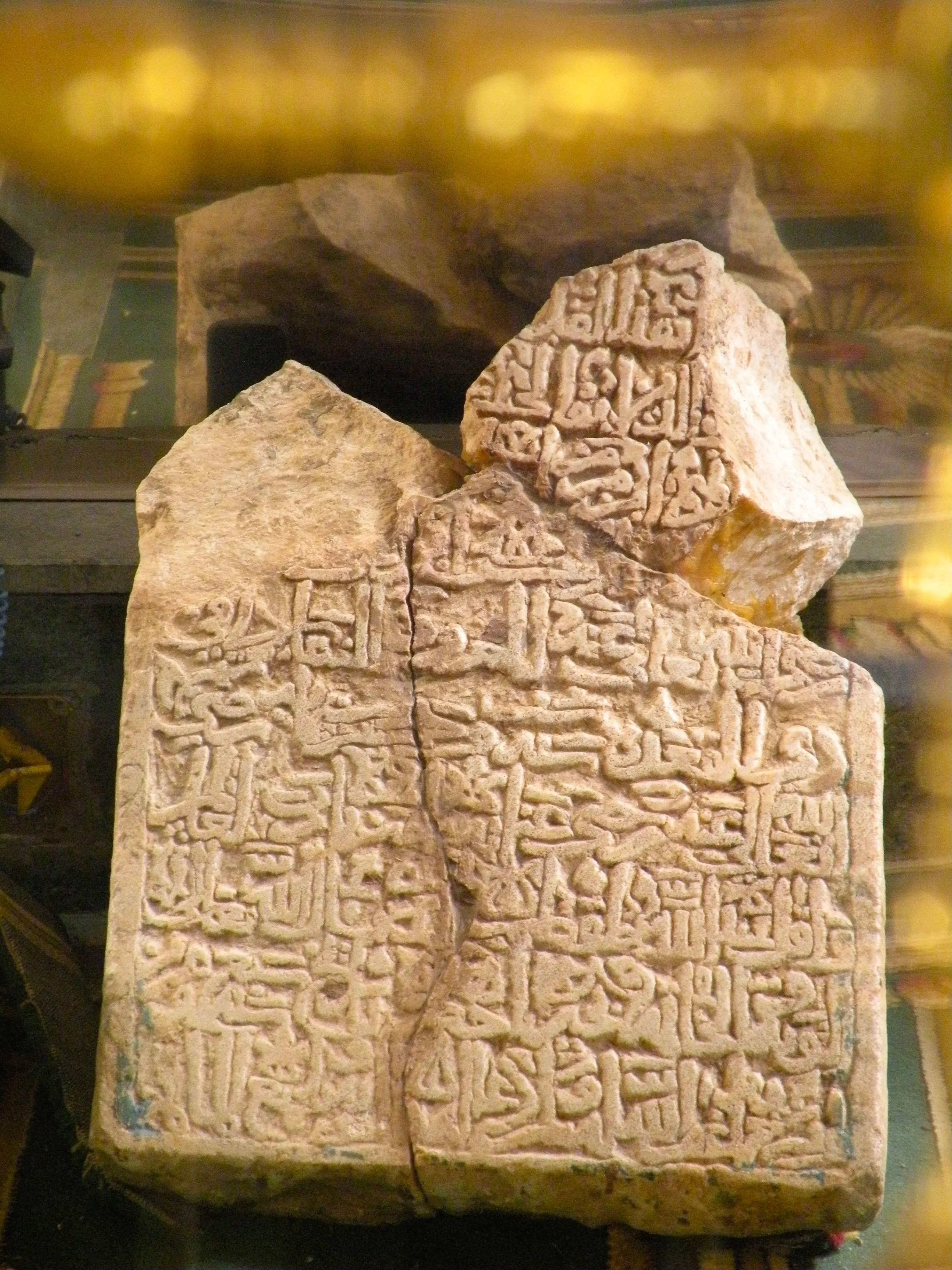
Many great figures of early Islam, such as the famous jurist Imam Shafi‘i (d. 819) and gnostic Dhu’l-Nun al-Misri (d. 860) are buried in al-Qarafa. In the same building as Dhu’l-Nun’s tomb is a cenotaph commemorating the celebrated female mystic Rabi‘a al-Adawiyya (d. 801), who lived in Iraq and never came to Egypt.
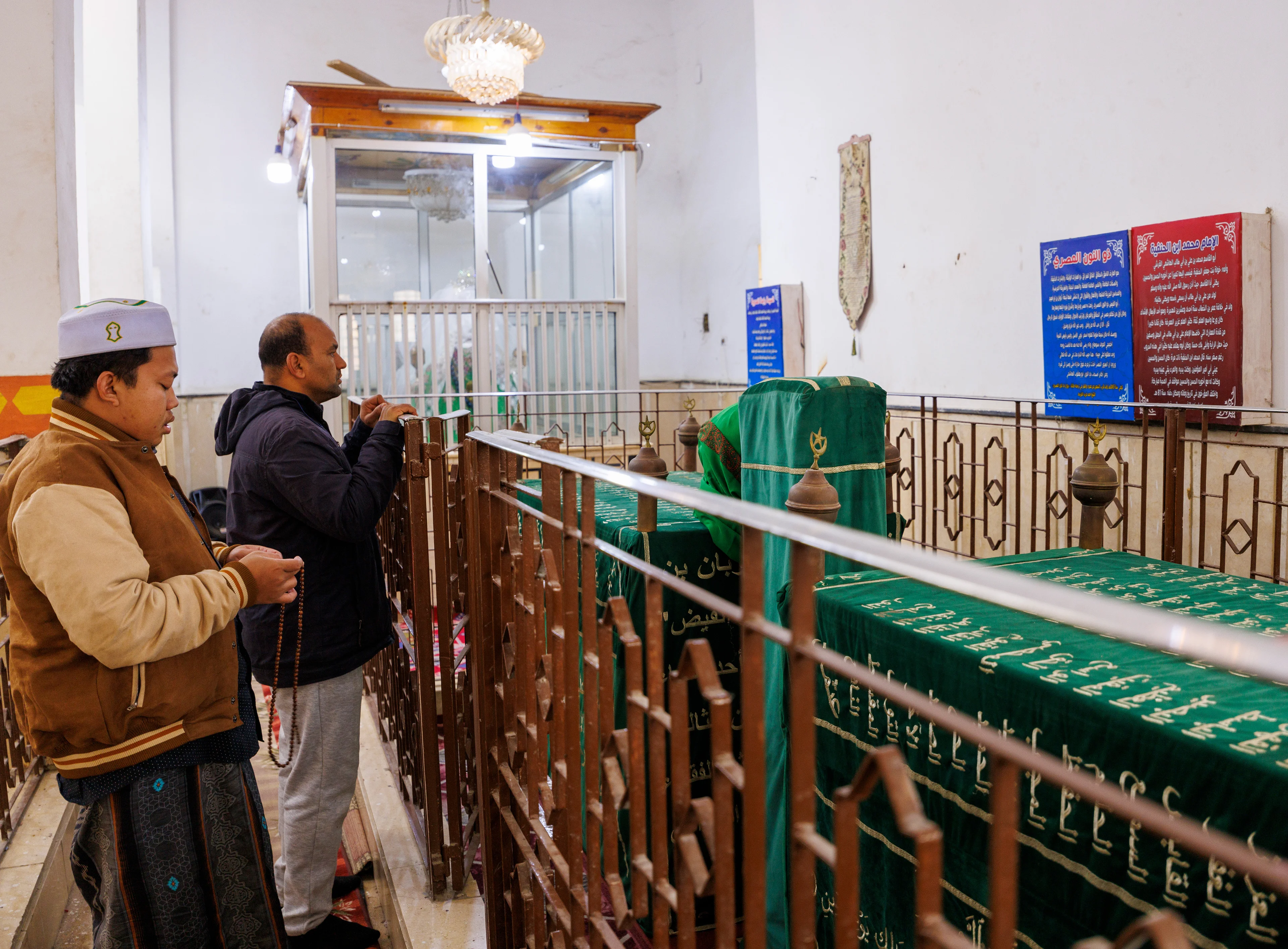
© Bernard O’Kane.
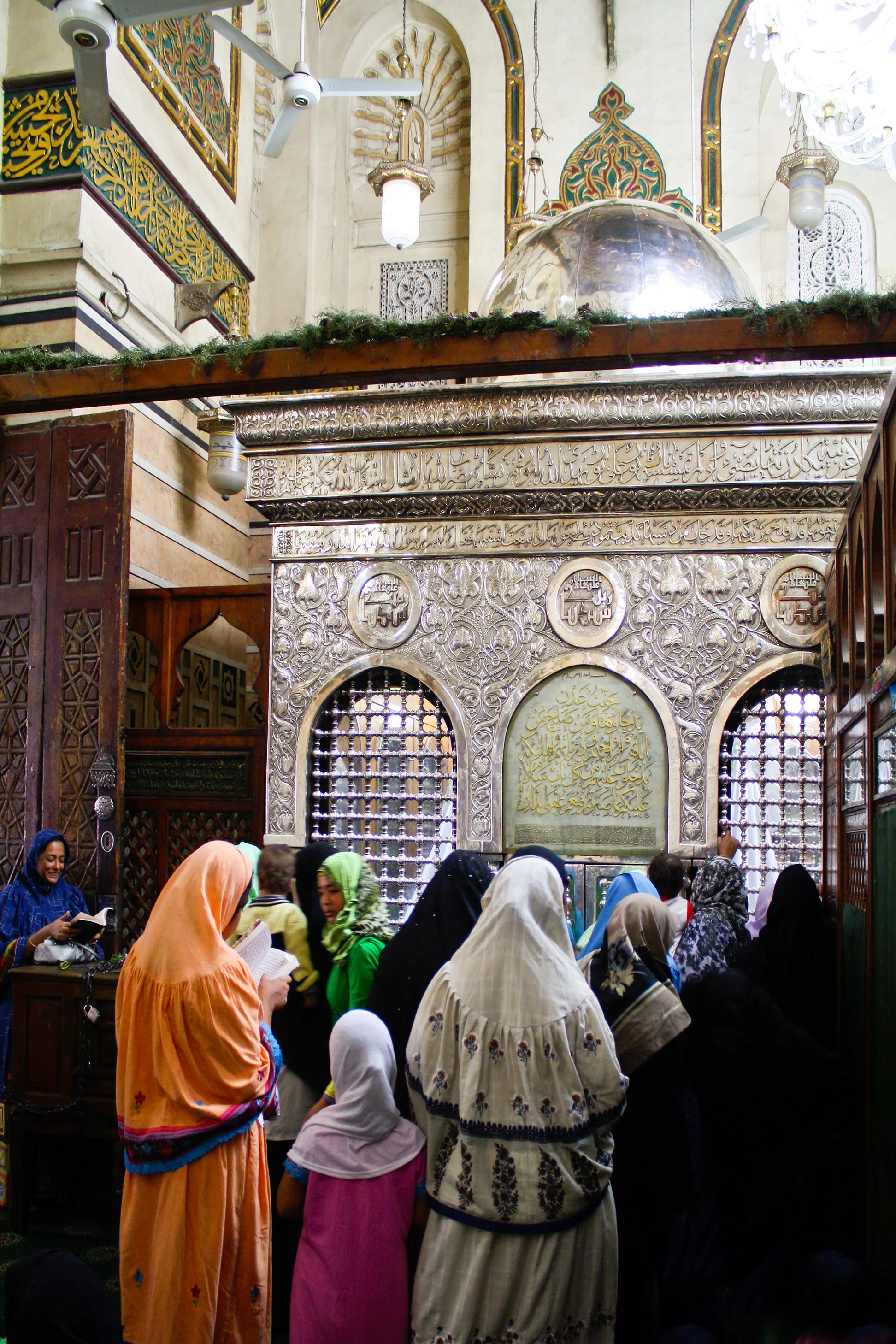
According to sources, visitation (ziyara) to the burials of awliya’ like Dhu’l-Nun al-Misri and Rabi‘a al-Adawiyya by Muslim devotees started as early as the tenth century. They also visited tombs of the ahl al-bayt, some of whom are buried in Cairo, such as the Prophet’s granddaughter Zaynab. A major shrine is al-Husayn Mosque, which holds the head of Husayn (son of Ali ibn Abi Talib, the Prophet’s cousin and son-in-law), who was martyred at Karbala in 680. The performance of ziyara to these sites in order to receive baraka through the intermediary of the deceased became institutionalized in the Ayyubid period (1171–1260) in Egypt and continues to the present day, especially among Sufis.
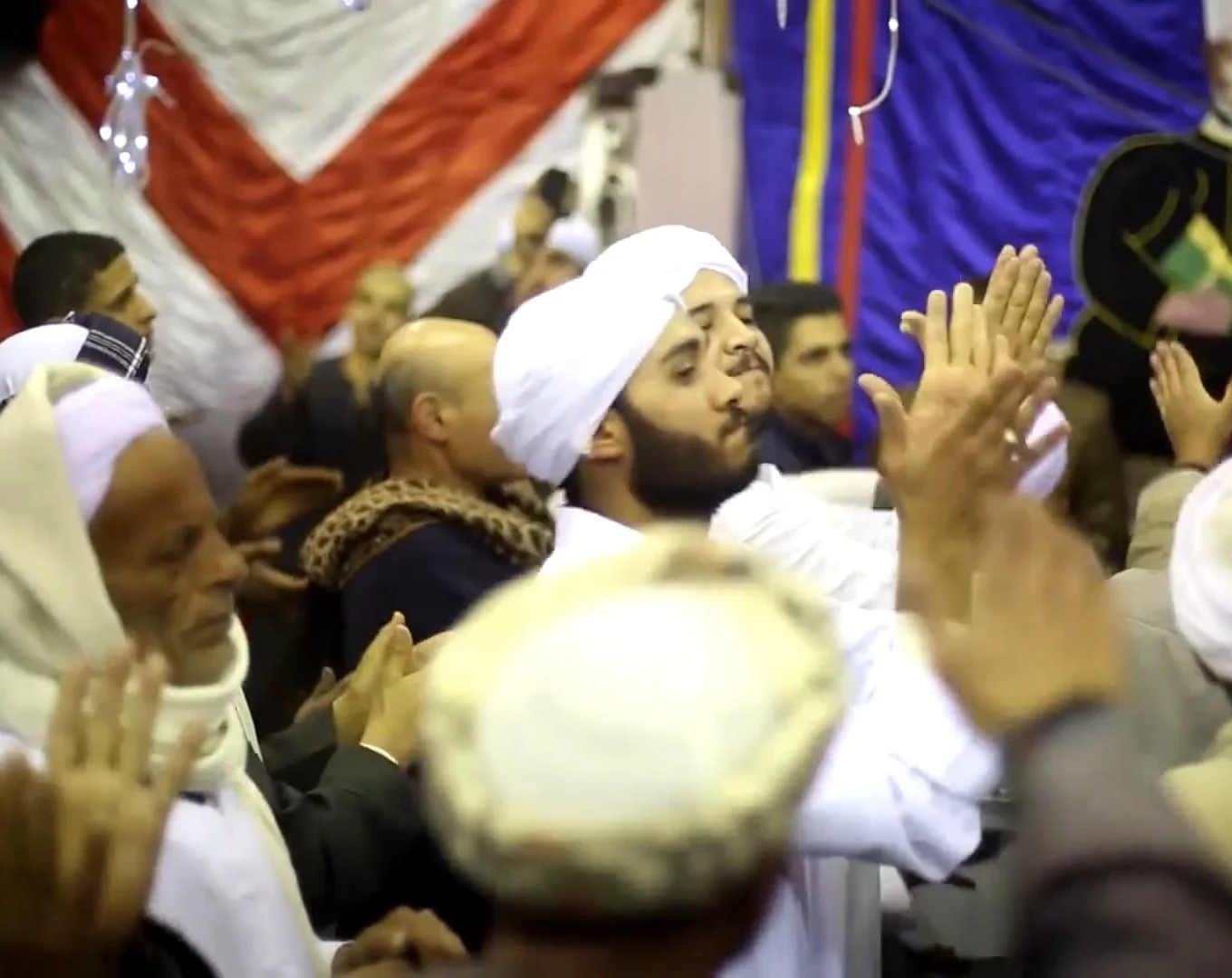
Footage by Ahmed Al Sayed/Anadolu Agency/Getty Images.
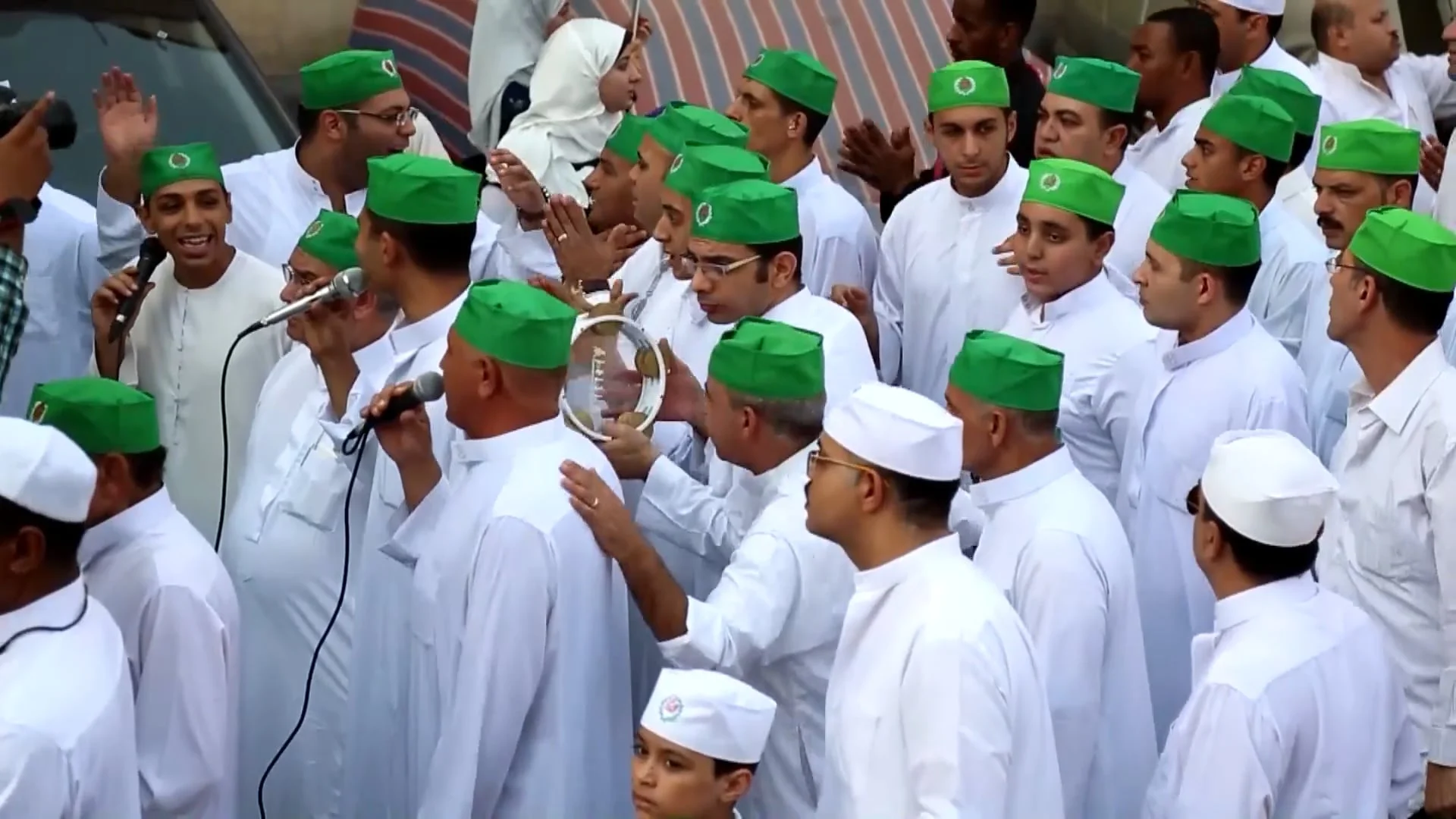
Major processions of Sufi orders take place in the streets of Cairo near these shrines for special festivals, such as the mawlids, which are celebrated throughout Egypt. There is also the celebration of al-Muharram which marks the beginning of the Islamic New Year, a tradition established in the eighteenth century. On these occasions, dhikr and sama’ are often performed.
View Credits
Sufi processions for the Islamic New Year on October 16, 2015 and celebrations for the mawlid of Husayn on February 09, 2016 in Cairo.
Footage by Ahmed Al Sayed/Anadolu Agency/Getty Images.
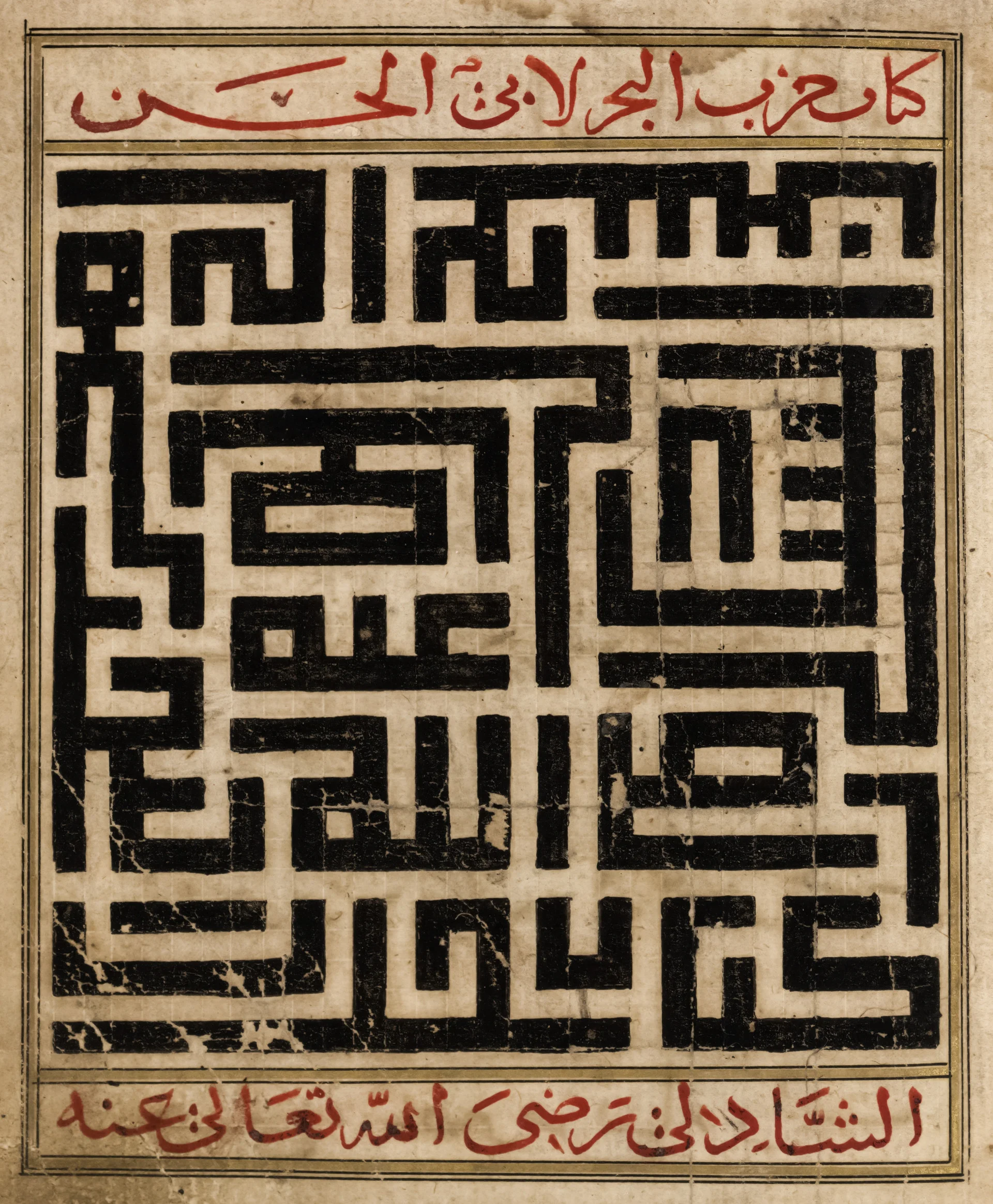
Courtesy of The Museum of Islamic Art, Doha.
An Egyptian Tariqa: The Shadhiliyya
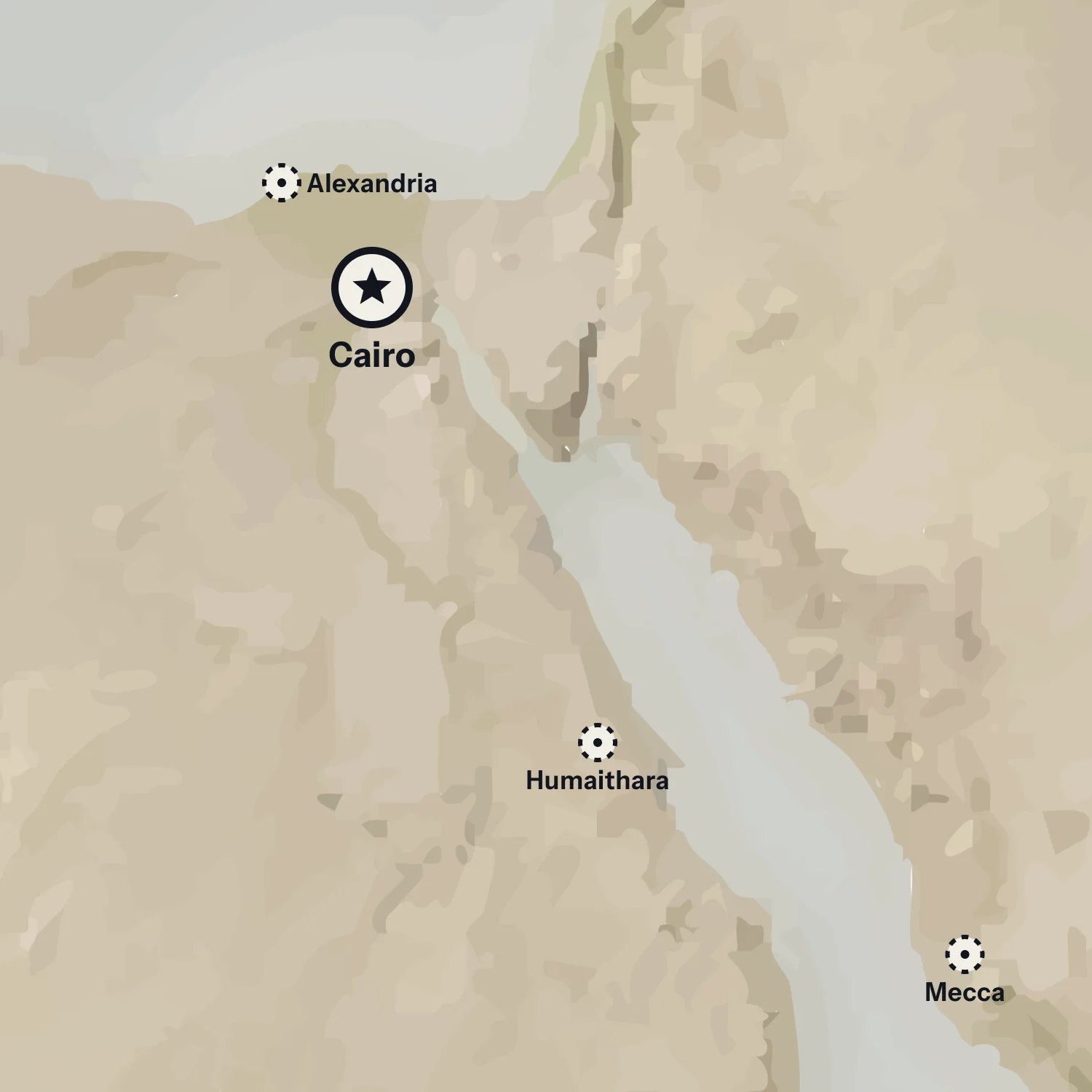
One of the most successful tariqas in Egypt is the Shadhiliyya founded in the thirteenth century. Educated in the city of Fez, the Moroccan Abu’l-Hasan al-Shadhili (d. 1258) settled in Alexandria in 1244 where he established his zawiya and was joined by his forty disciples. His students moved to other regions, and the Shadhiliyya soon became a popular Sufi movement across North Africa. It also spread to the Middle East, the Maghrib, West Africa, and even Singapore.
Al-Shadhili composed al-Hizb al-bahr (The Litany of the Sea), a collection of prayers devoted to the Prophet Muhammad, which is still recited today throughout the Islamic world, generally after the mid-afternoon prayer.
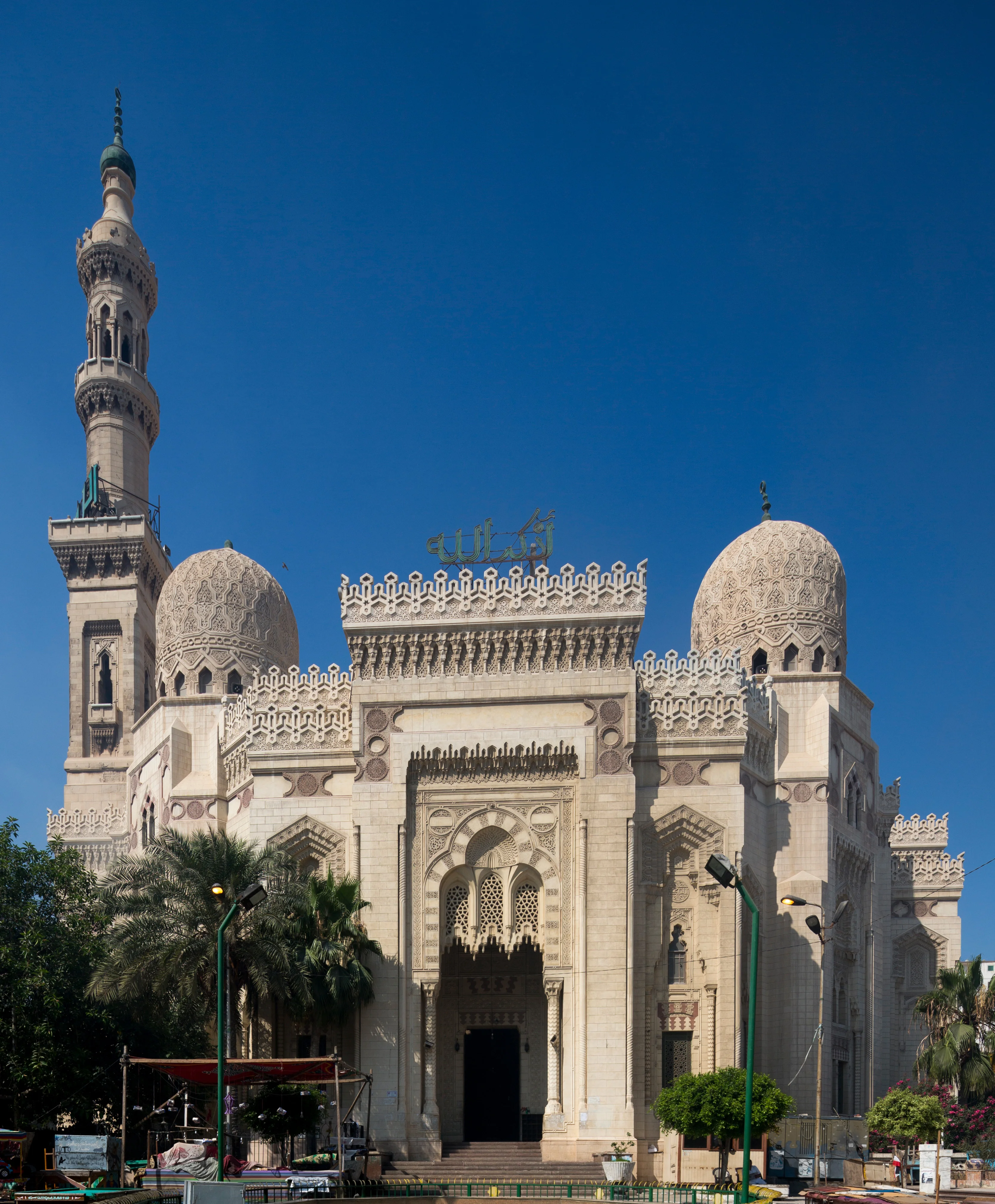
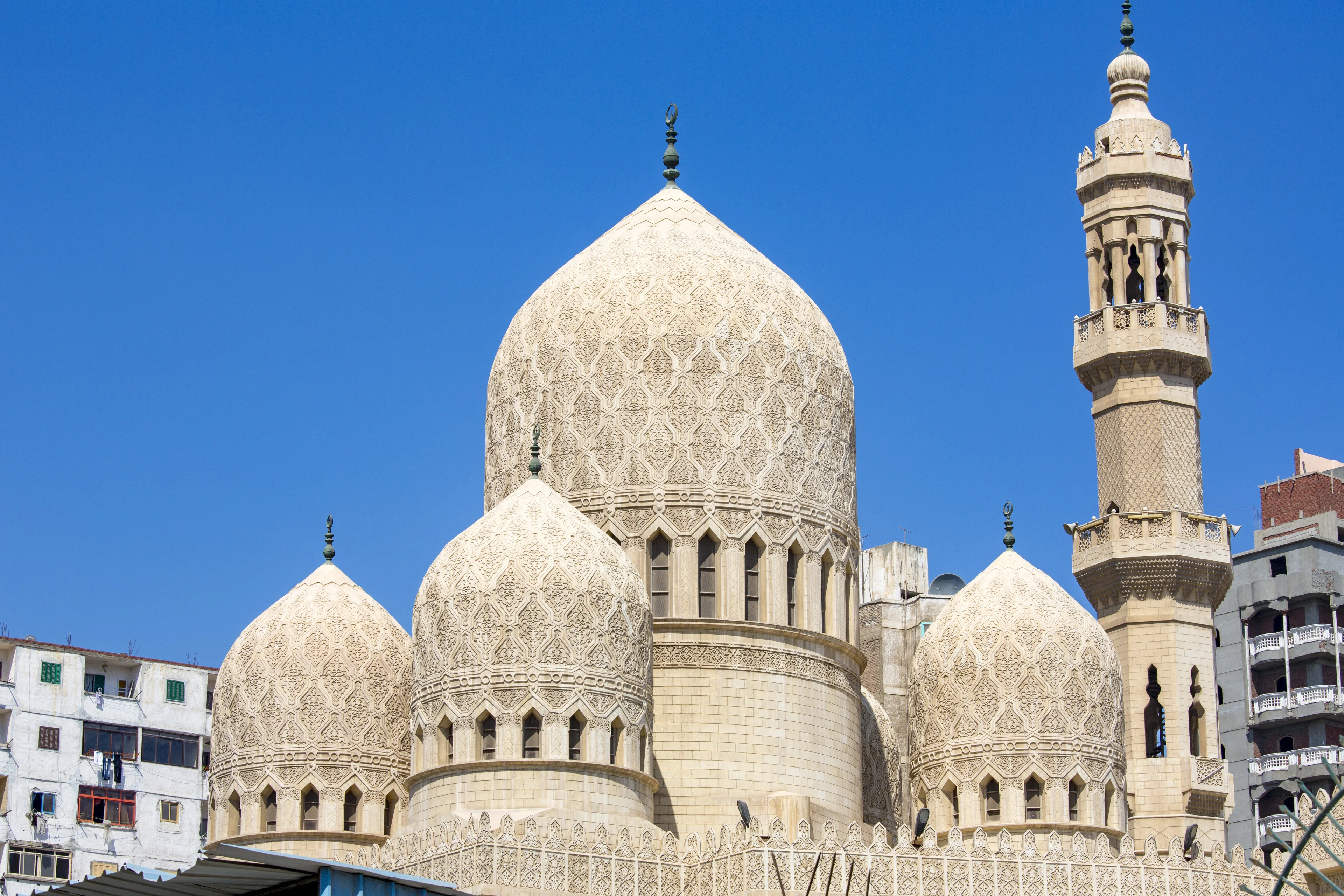
When Abu’l-Hasan al-Shadhili passed away, the new spiritual leader of the tariqa was his favorite disciple and son-in-law, Abu’l-Abbas al-Mursi (d. 1286). He was responsible, along with his student Ibn Ata Allah al-Iskandari, for the compilation of the order’s doctrines. Al-Mursi’s shrine is enclosed in the eponymous mosque in Alexandria, which was extensively renovated in the 1930s in a neo-Mamluk style, whereas al-Iskandari’s shrine is located in Cairo.
© Bernard O’Kane.
Over half a million visitors a year visit the tomb of the tariqa’s founder Abu’l-Hasan al-Shadhili on his mawlid. However, it is located neither in Alexandria nor in Cairo. Al-Shadhili died on his way to Mecca in 1258 in the remote valley of Humaithara in Upper Egypt and was buried there. The shrine at the base of the valley became a destination for Shadhilis but also followers of other orders. Locals and pilgrims alike compare the site to the Masjid al-Haram in Mecca, which is surrounded by seven distinct mountains.
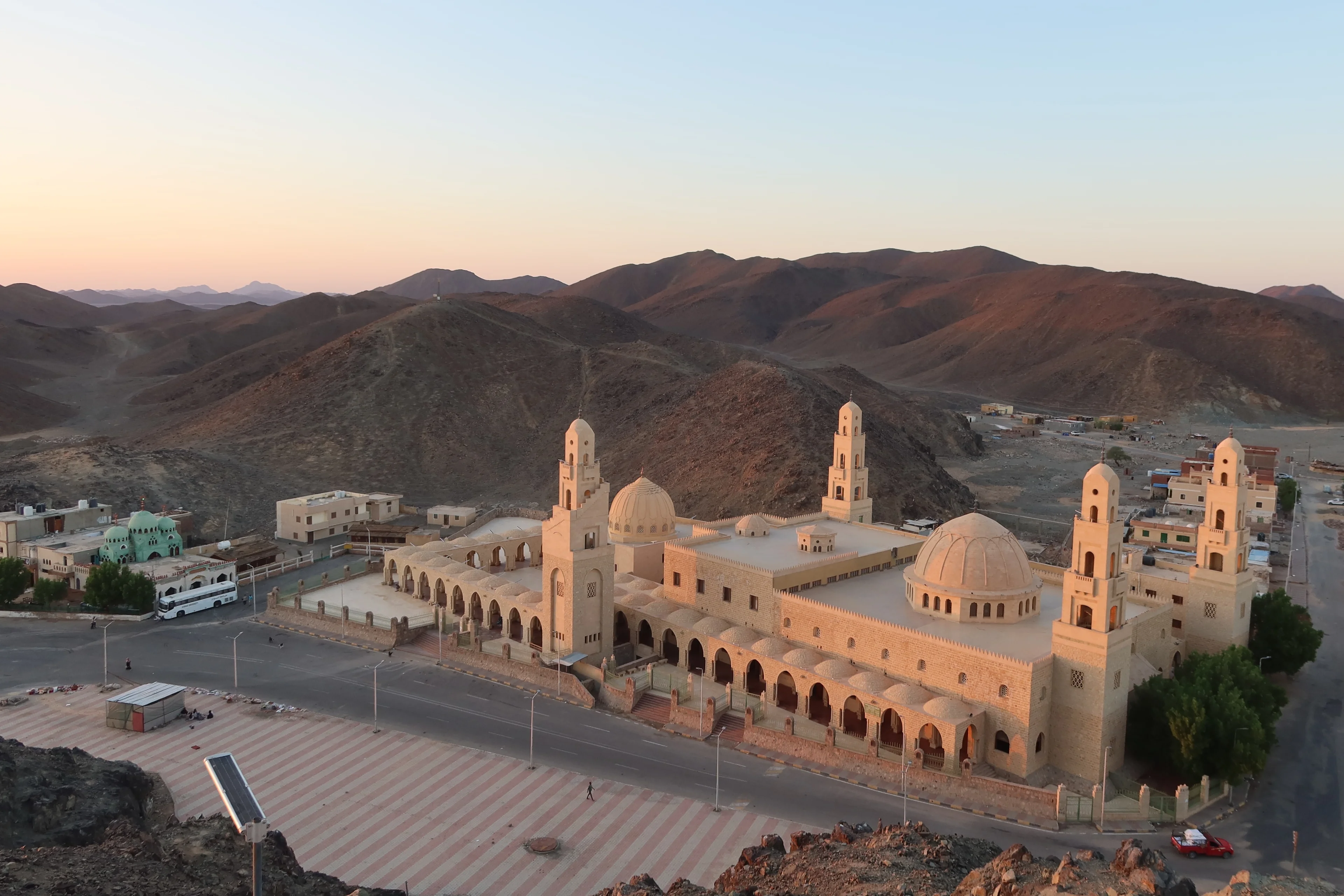
The sanctuary, which has been recently restored and extended to accommodate more visitors, is flooded with pilgrims on the occasion of festivals and mawlids in particular. Egyptian directors Seif Abdalla and Mohamed Mahdi offer a poetic and evocative take on the Humaithara valley, whose lunar landscape appears transformed by the presence of the shrine.
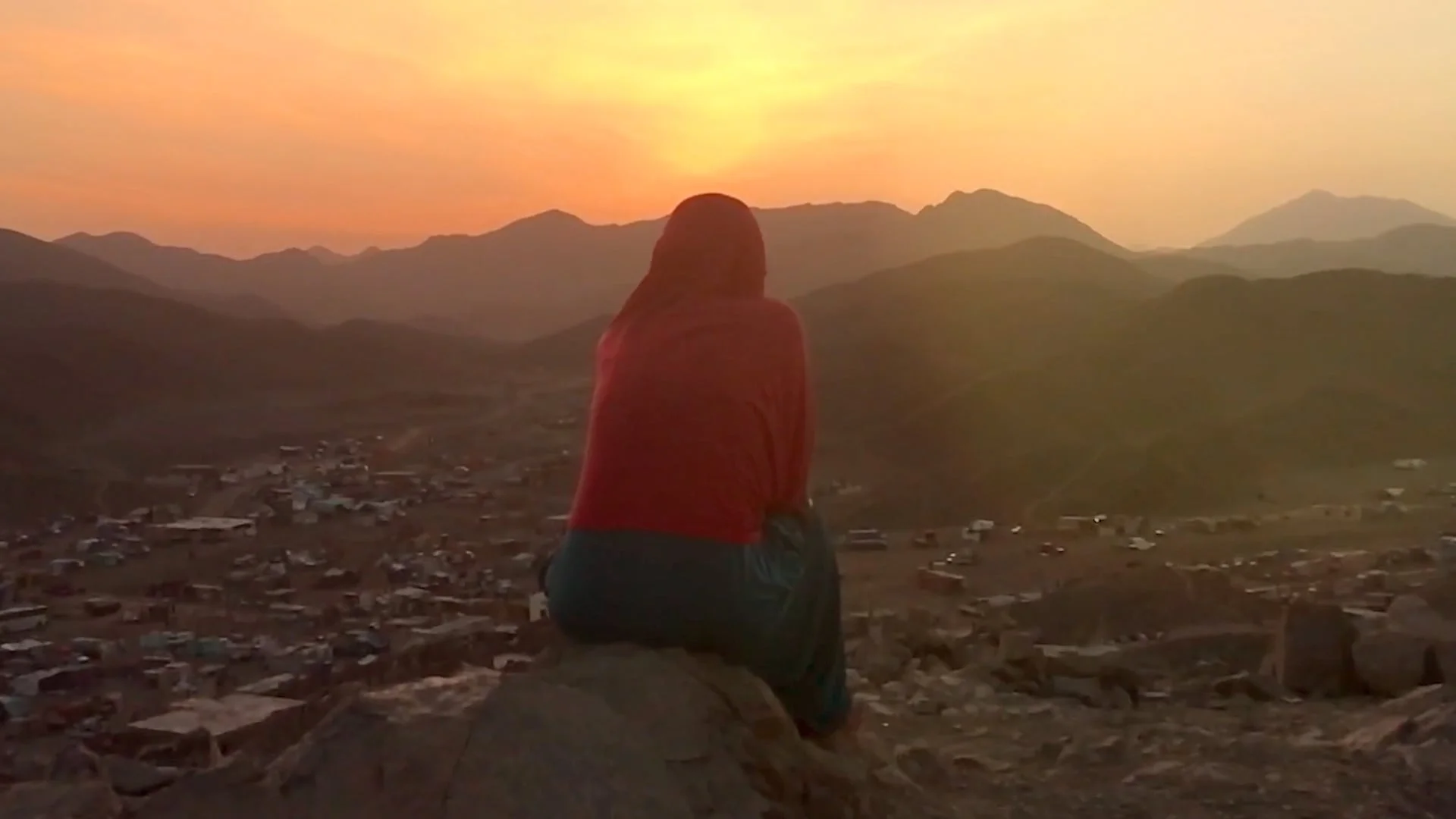
View Credits
Seif Abdalla and Mohamed Mahdy, Humaithara, 2017.
Film by Seif Abdalla and Mohamed Mahdy
A Shadhili Poet: Al-Busiri
A famous member of the Shadhiliyya was Muhammad ibn Sa‘id al-Busiri (d. ca. 1295), a disciple of the second shaykh of the brotherhood Abu’l-Abbas al-Mursi in Alexandria. He was also a copyist and calligrapher who served in the Mamluk administration in Cairo. Tradition says that, stricken by paralysis, al-Busiri wrote a praise to the Prophet Muhammad. The following night, in a dream, he saw the Prophet and recited to him the poem he composed in his praise. Thereafter, Muhammad bestowed him his cloak and al-Busiri awoke miraculously cured, hence the name given to the poem: Qasida al-burda (Ode to the Mantle).
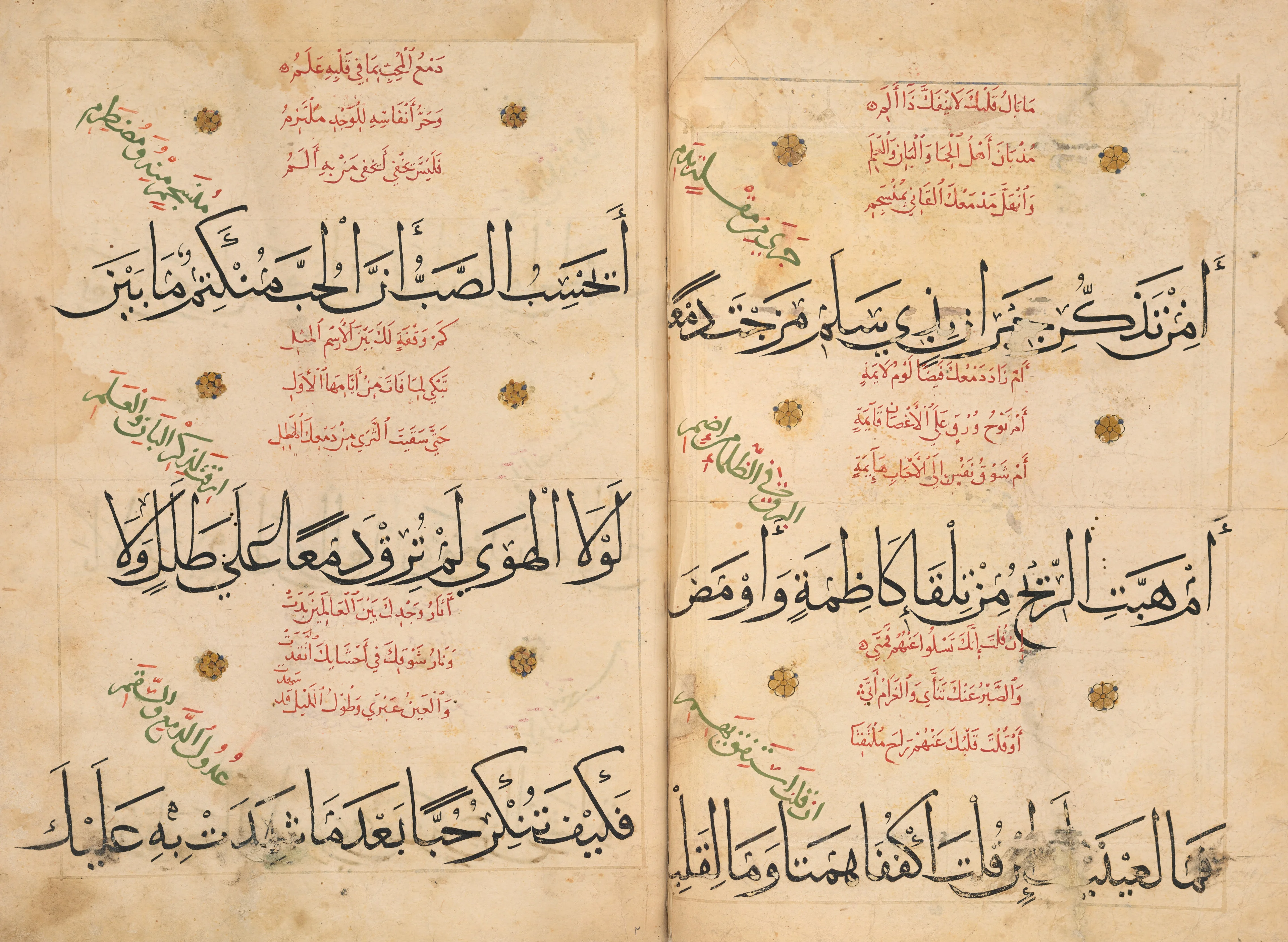
A Mamluk Copy of al-Busiri’s Qasida al-Burda
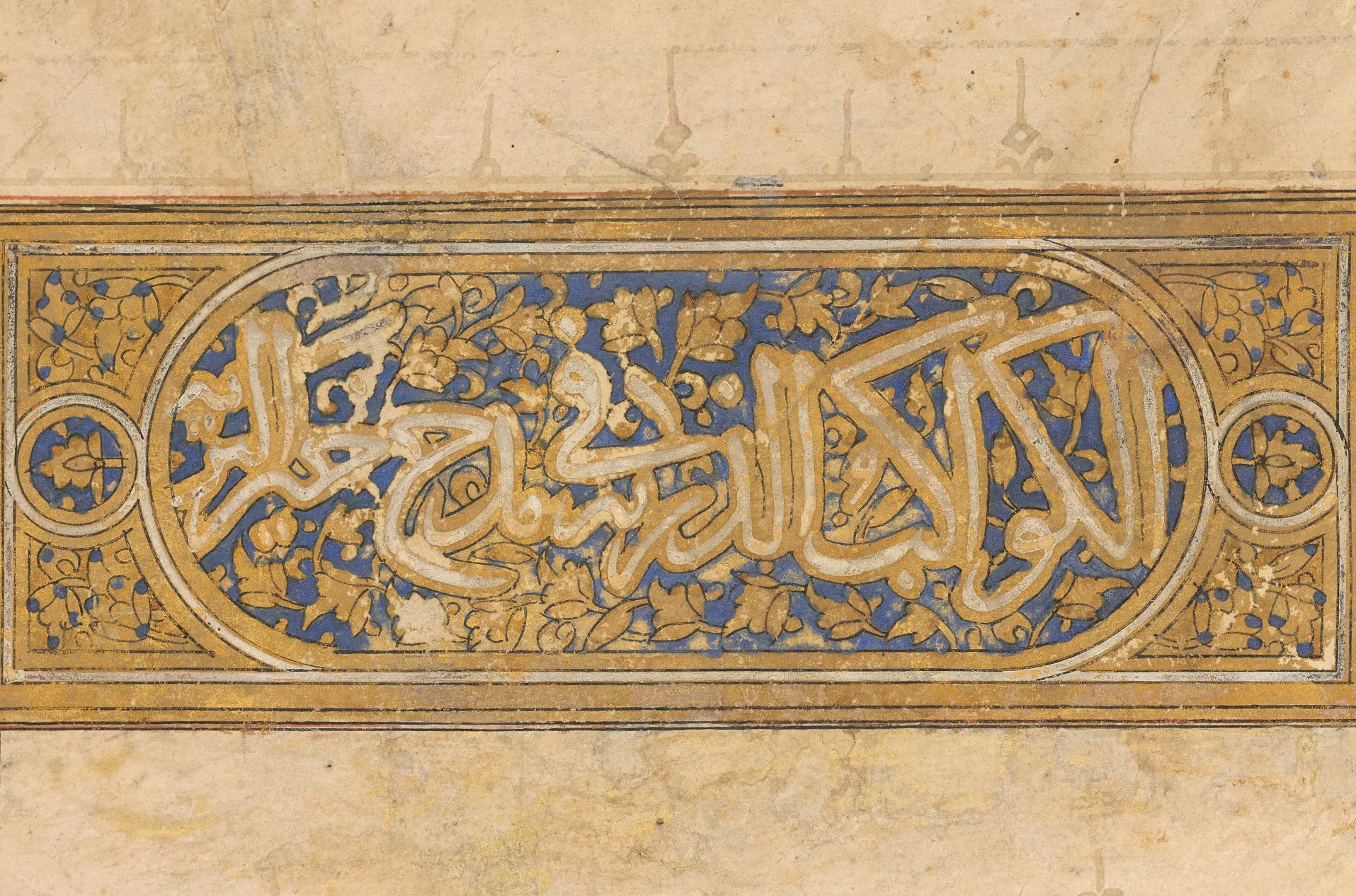
The original title of the poem is al-Kawakib al-durriya fi madh khayr al-bariyya (The Celestial Lights in Praise of the Best of Creation). In 162 verses, it illustrates the reverence to the Prophet and emphasizes the fundamental concept in Sufism (and more generally in Islam) of the sunna, Muhammad being considered as the ultimate model to follow and to emulate.
© Bernard O’Kane.
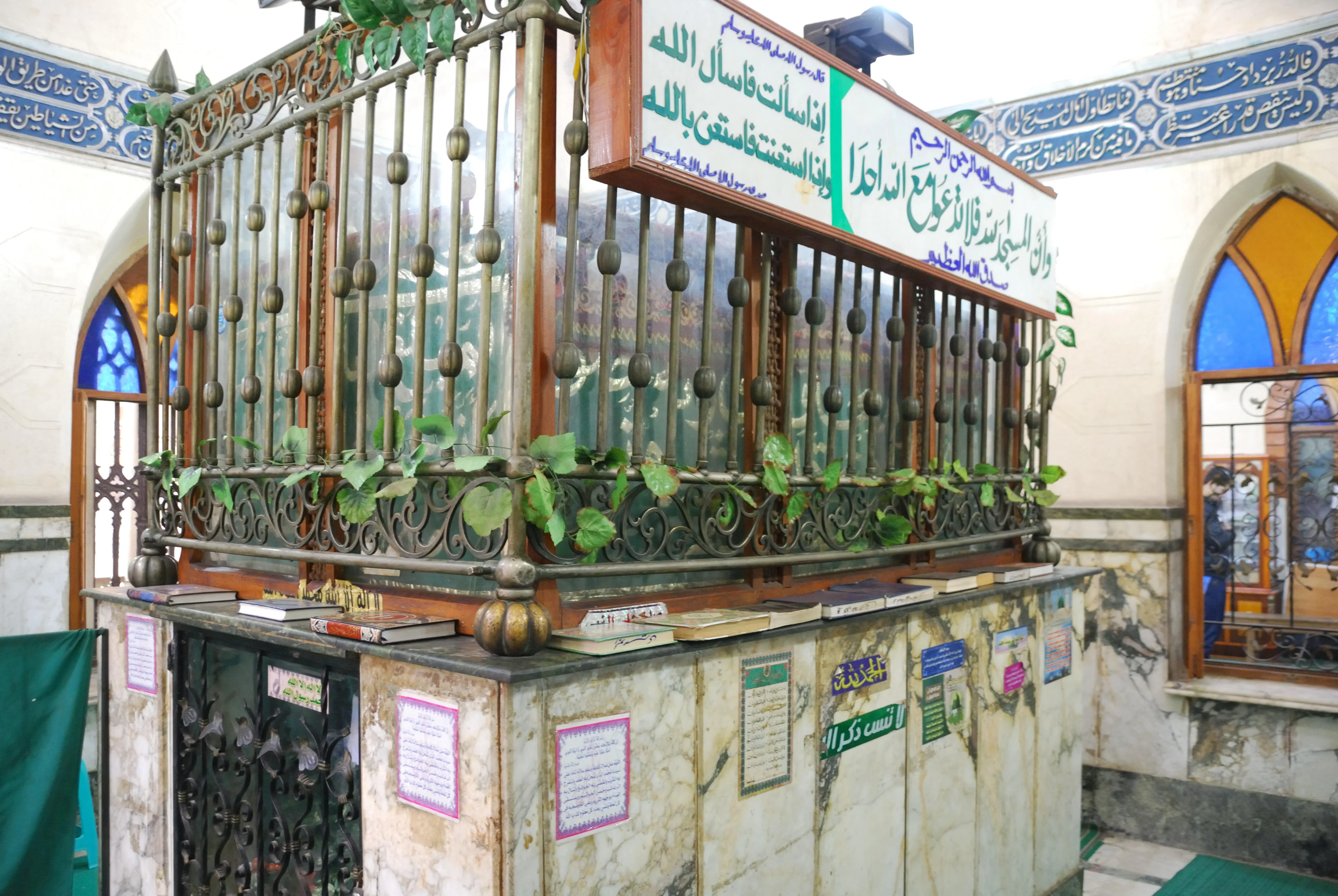
Al-Busiri’s tomb is located in Alexandria not far from the one of Abu’l-‘Abbas al-Mursi. A particularly unusual feature of the funerary chamber and the prayer room is the whole poem of al-Busiri that runs across the walls instead of the traditional verses from the Qur’an.
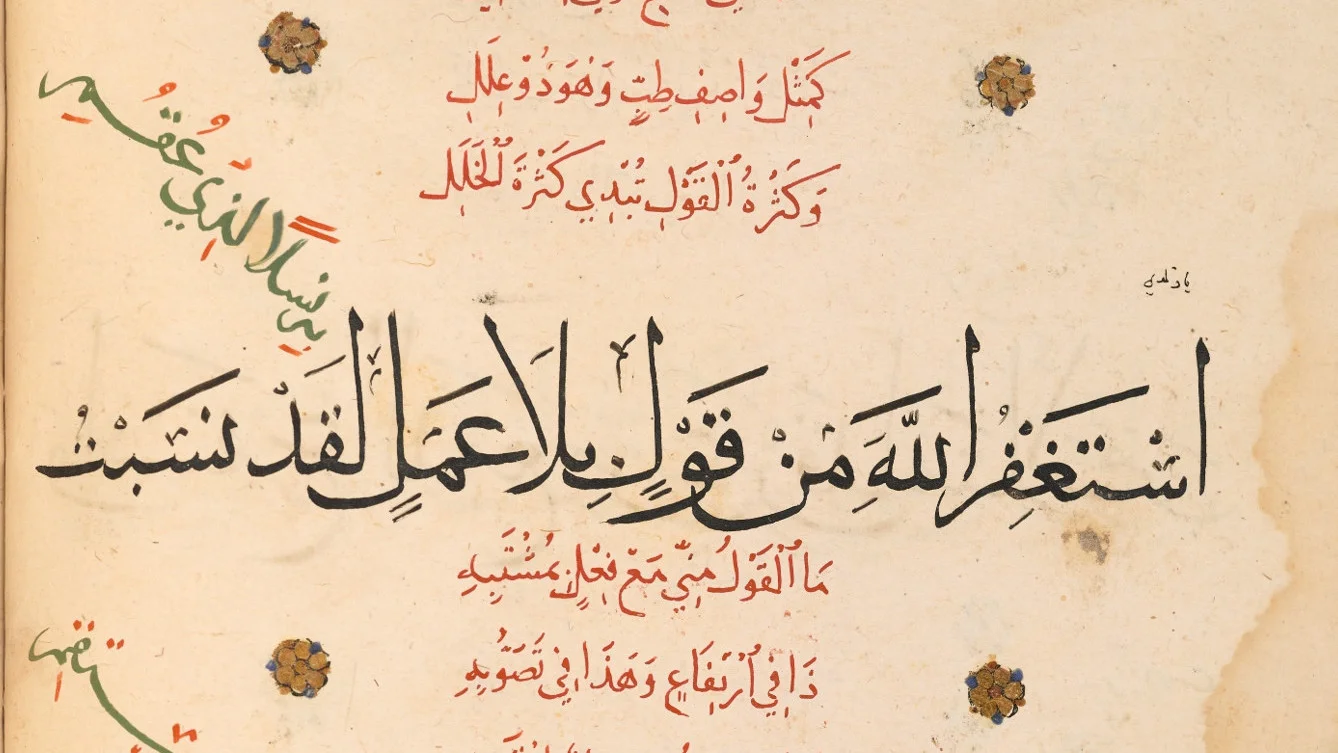
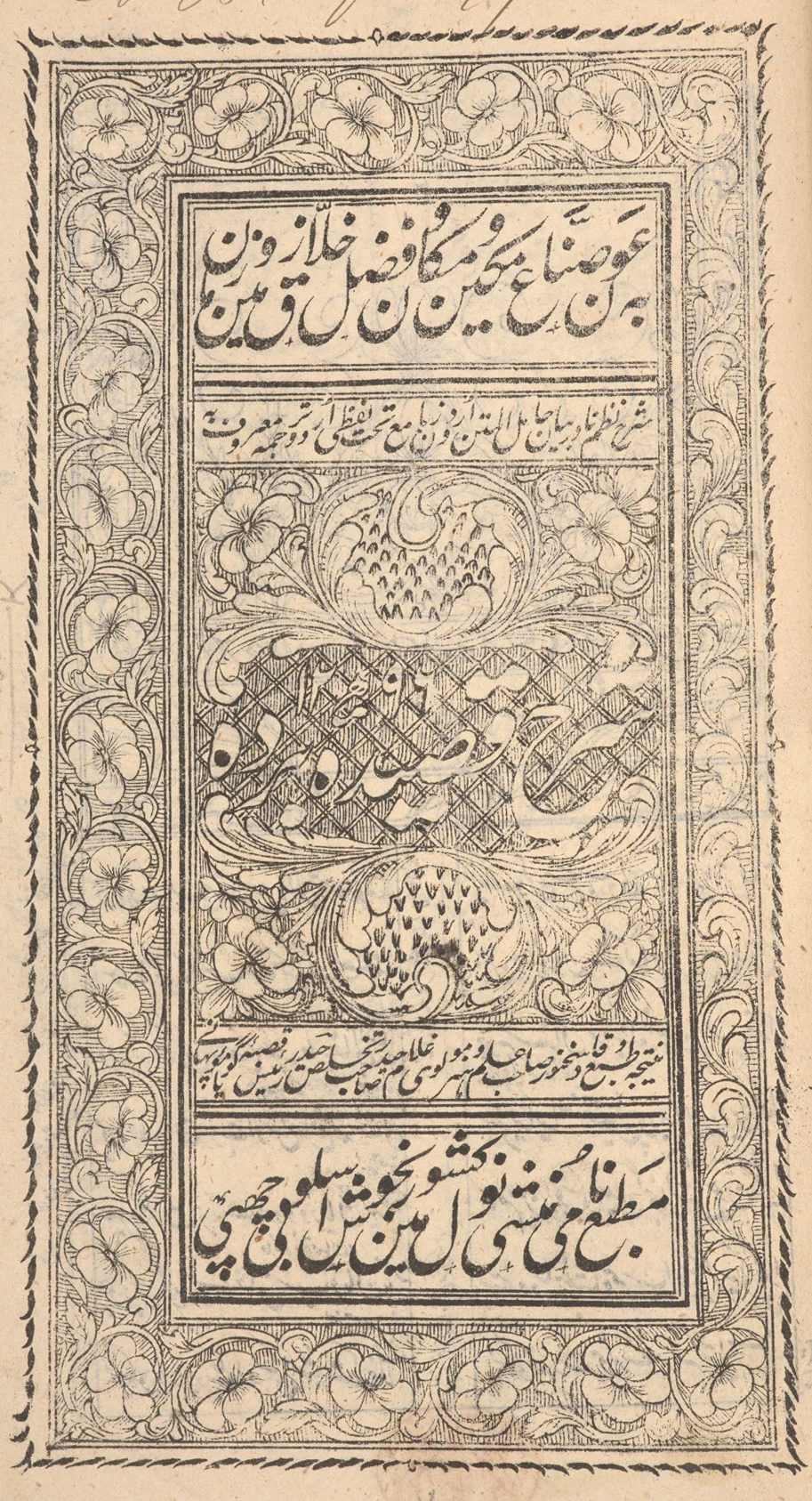
Renditions of the Qasida al-burda around the world.
View Credits
Courtesy of Al-Madina Institute.
The Burda—as the poem is often called—was and is still read communally at mosques, tombs, and in homes each week, as well as for celebrations of the mawlid of the Prophet Muhammad, death anniversary celebrations of Sufi shaykhs, and at funerals. Reciters are required to perform ablution before reciting the text and face in the direction of Mecca for the recitation.
The nature of the poem’s mystical content has long been debated. Some have suggested the poem was not intended to have Sufi overtones but is a straightforward account of how Muslims traditionally perceive the Prophet’s life. Others argue it is undeniably a repository of Sufi doctrines. Regardless, the poem is widely popular among Muslims across the world and not only in Sufi circles. Its verses also are said to have prophylactic and curative virtues. Over time, the Qasida al-burda became the most widely recited poem in the Islamic world.
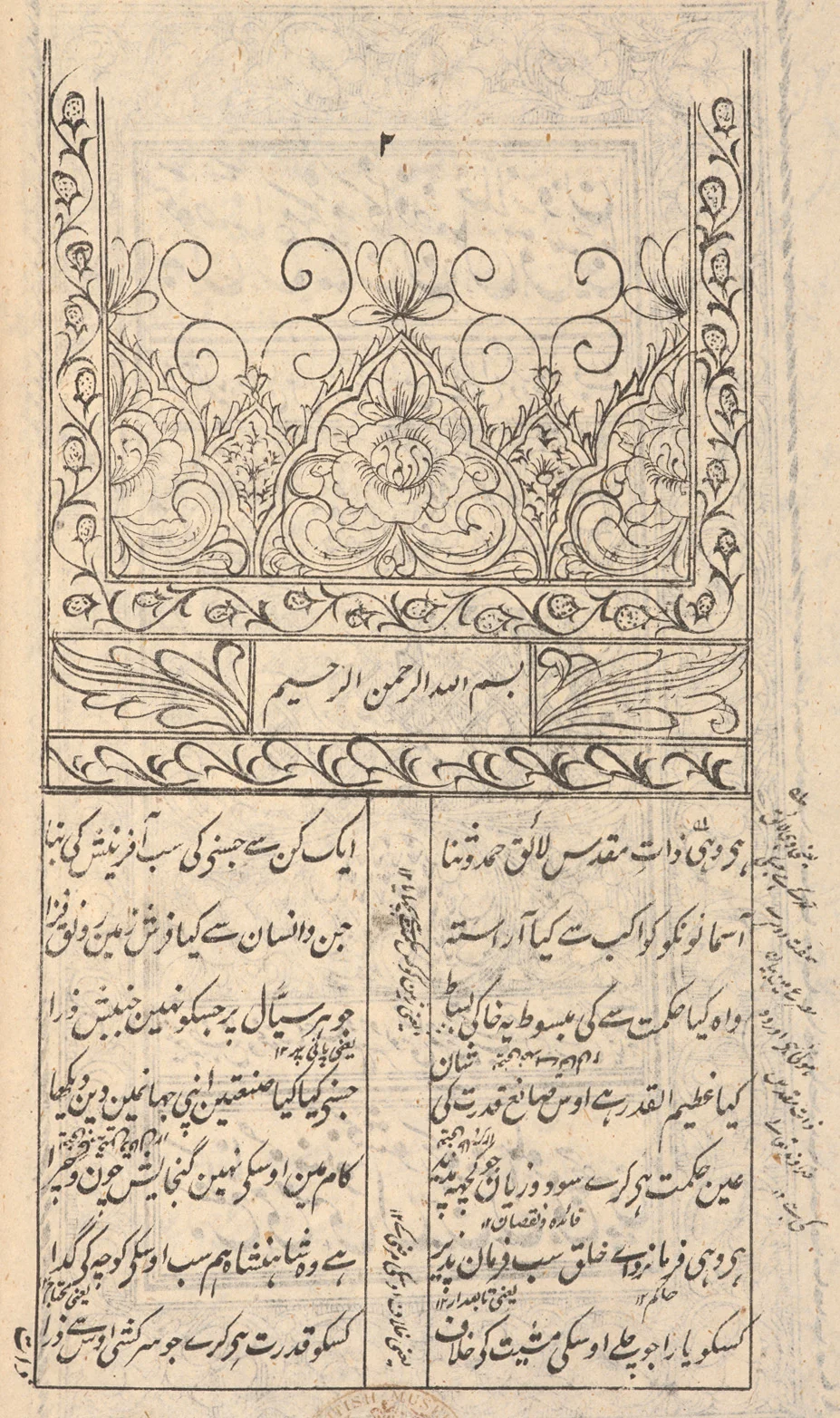
The work was translated into more than ninety languages, including Turkish and Turkic languages, Urdu, and Swahili. It also led to a multitude of commentaries, imitations, and new subgenres in both Arabic and vernacular languages. The Burda’s success transcended geographic and linguistic borders. It continues to unite Muslims around the world beyond sectarian differences in their shared reverence to and love for the Prophet Muhammad.
Locations
Explore the map or scroll to select a location.