Beyond RumiSufi Art and Practice
Explore Sufi Islam from Morocco to Indonesia and experience its devotional richness, artistic dynamism, and diverse rituals.
Explore Sufi Islam from Morocco to Indonesia and experience its devotional richness, artistic dynamism, and diverse rituals.
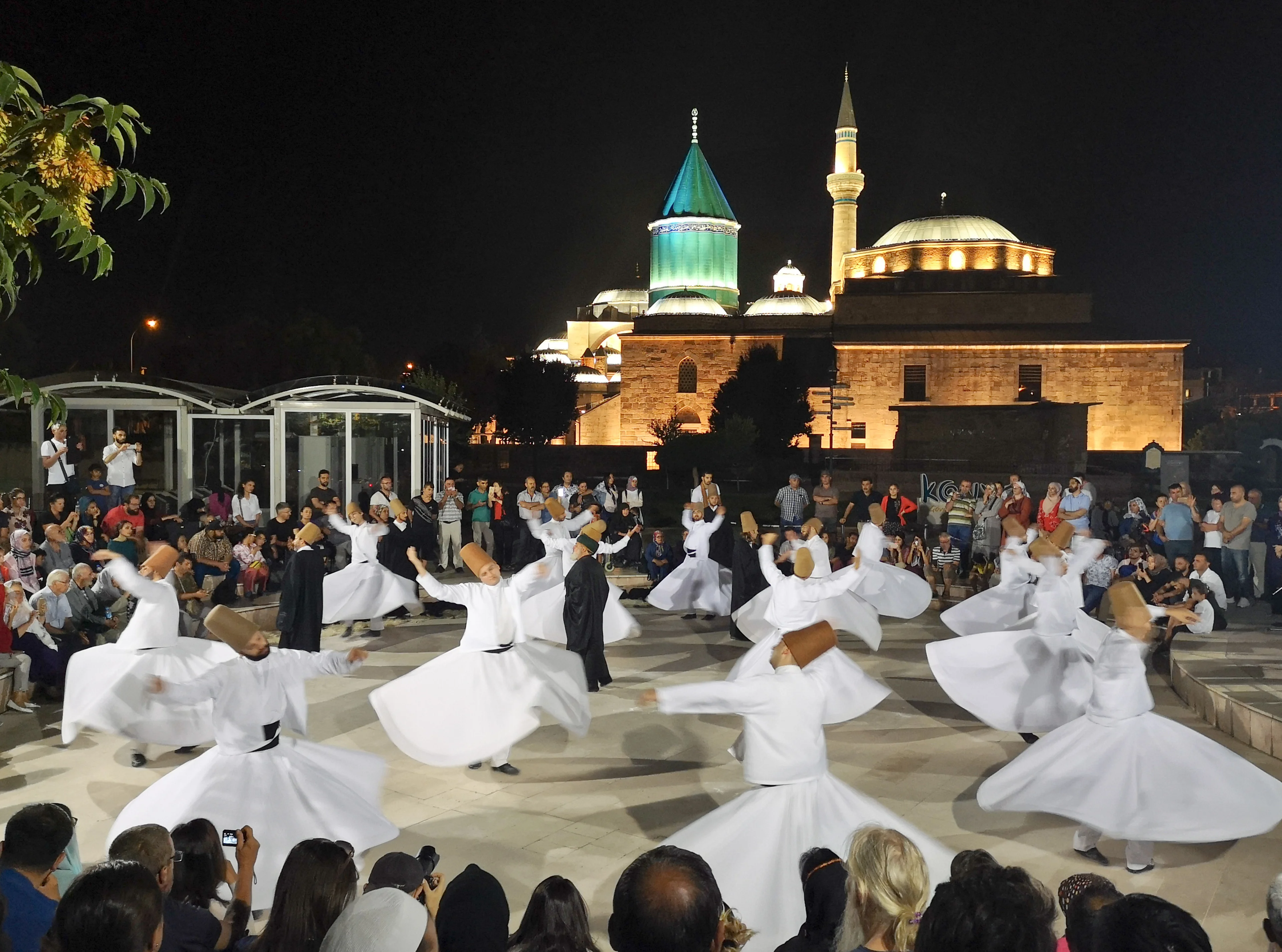
What is Sufism?
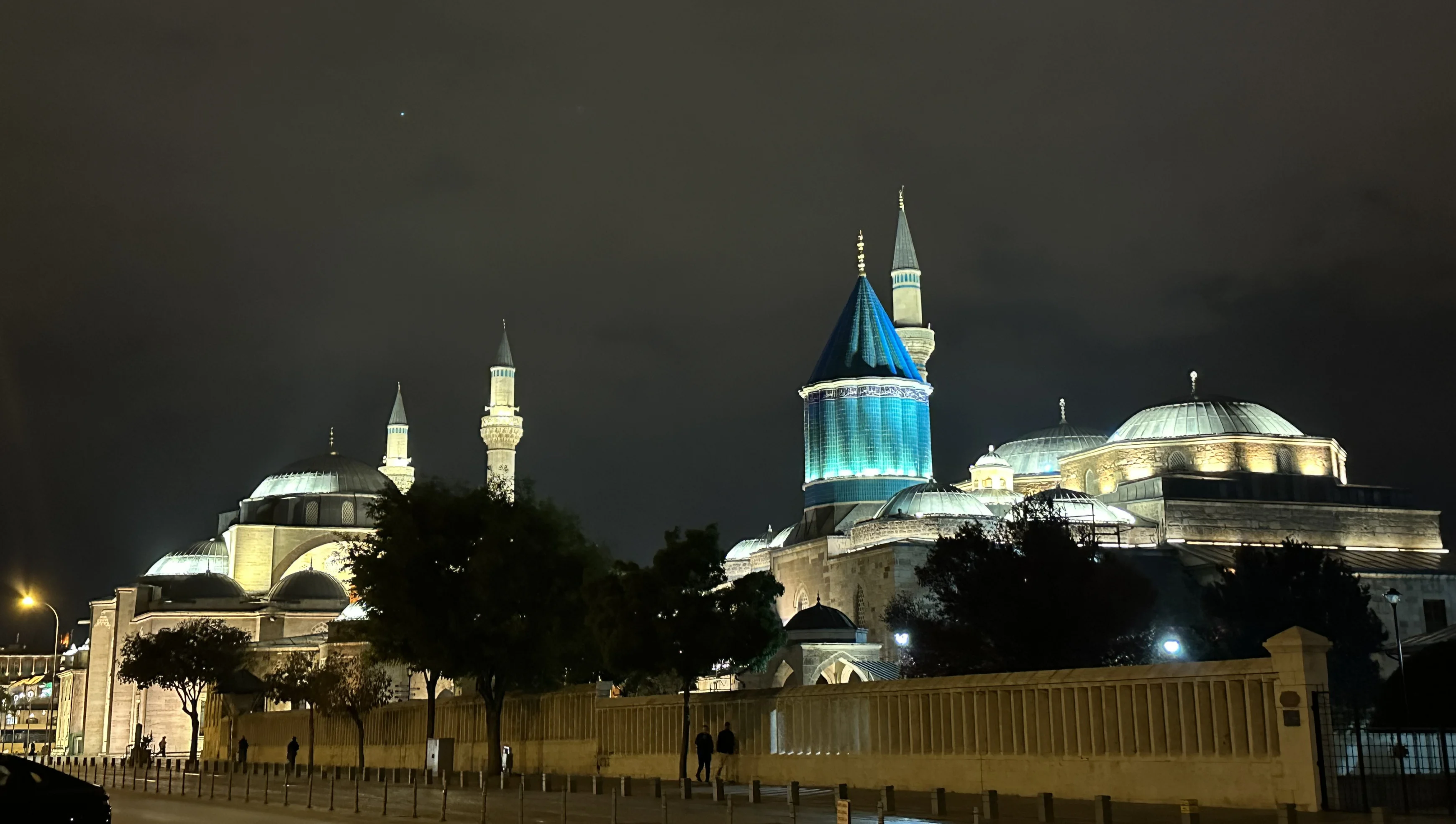
Sufism is generally defined as Islamic mysticism. In Europe and the United States, it is mainly identified with the literary giant Jalal al-Din Rumi and whirling dervishes. Rumi, however, is only one of many spiritual leaders in a rich religious tradition that is remarkably diverse, dynamic, and complex but also amorphous. The multisensory rituals of Sufi Islam have also continuously changed and evolved as traditions flourished—and sometimes vanished—across the Islamic world and beyond.
Since the eighth century, tasawwuf (“to become a Sufi”) has been one of the most integral forms of spiritual practice in Islamic cultures worldwide. It is meant to guide individuals to develop a deeper understanding of God and get closer to Him by drawing inspiration from the Qur’an, the exemplary figure of the Prophet Muhammad, and through ascetic and devotional practices aimed at spiritual purification.
What is Beyond Rumi?
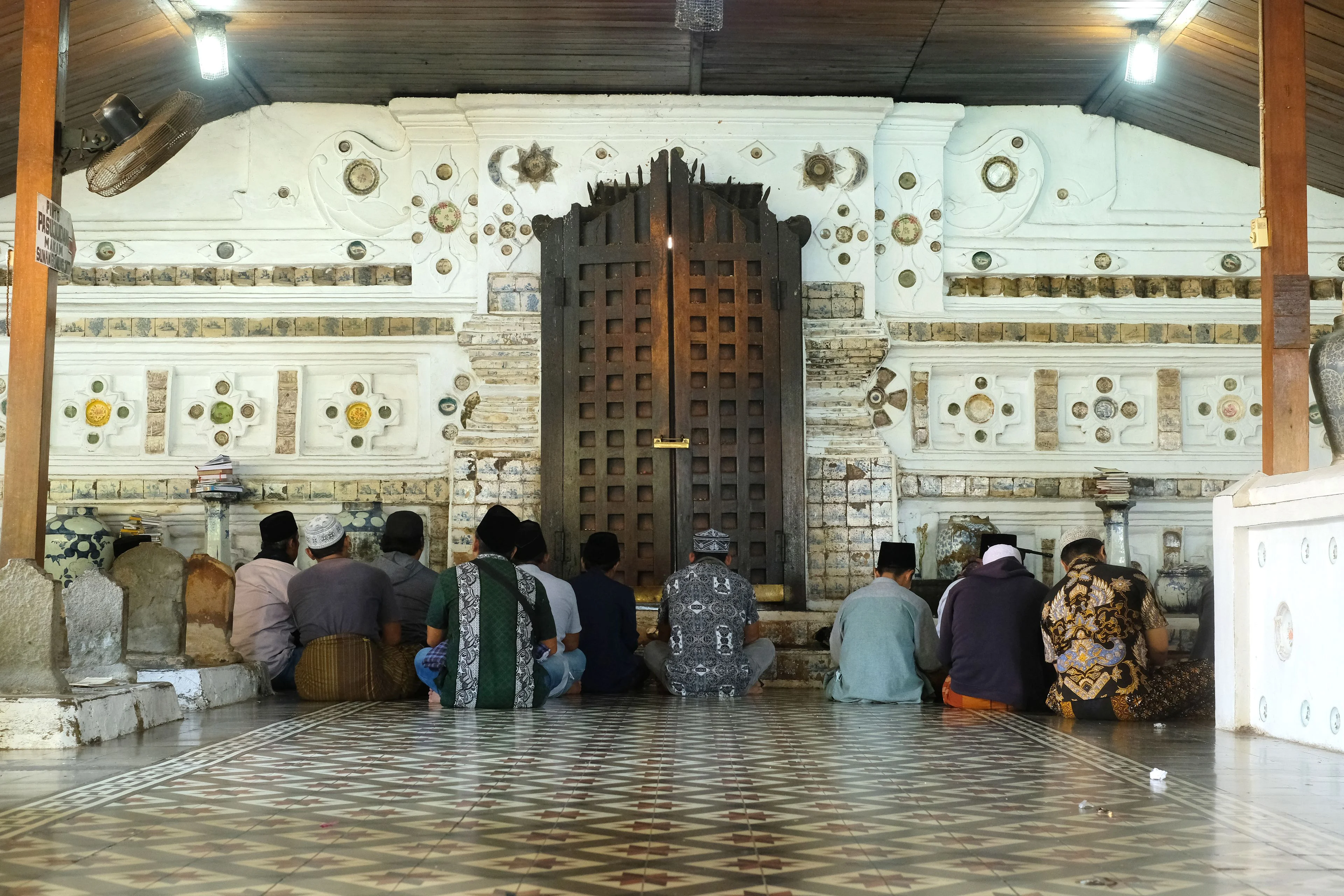
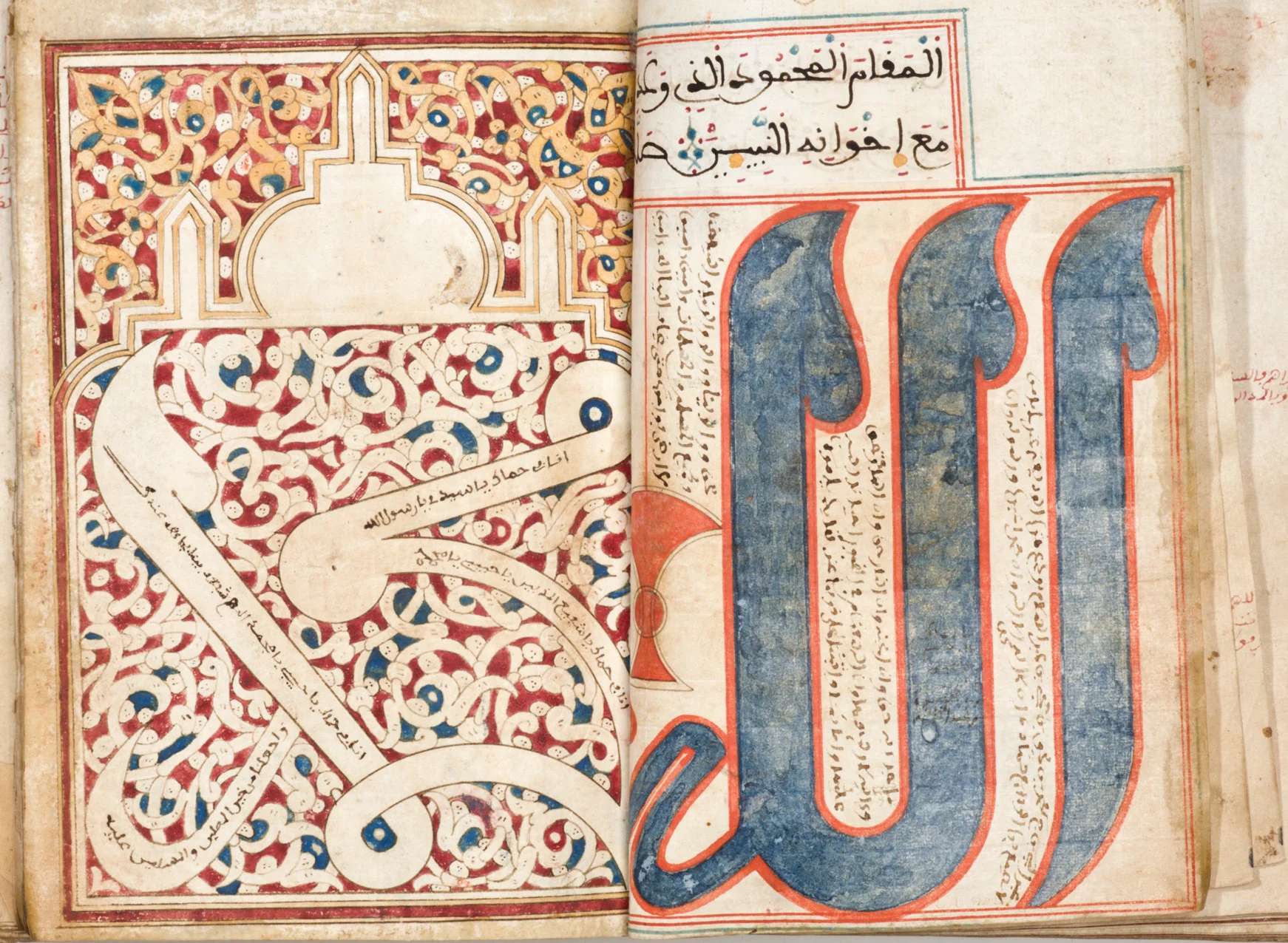
Beyond Rumi: Sufi Art and Practice focuses on the period after the thirteenth century when Sufism became more mainstream and received the support of the ruling elites, especially in urban centers. It has left traces on many communities throughout the world and continues to guide the lives of millions of Muslims today. Practiced both in private and in public, Sufism can take different forms according to the teachings of specific masters (shaykh) or the principles of an order (tariqa), but they share the same emphasis on prayer, meditation, and “remembering God” (dhikr). The impact of Sufism is also attested in a rich array of artistic expressions—from poetry and music to the visual arts and architecture.
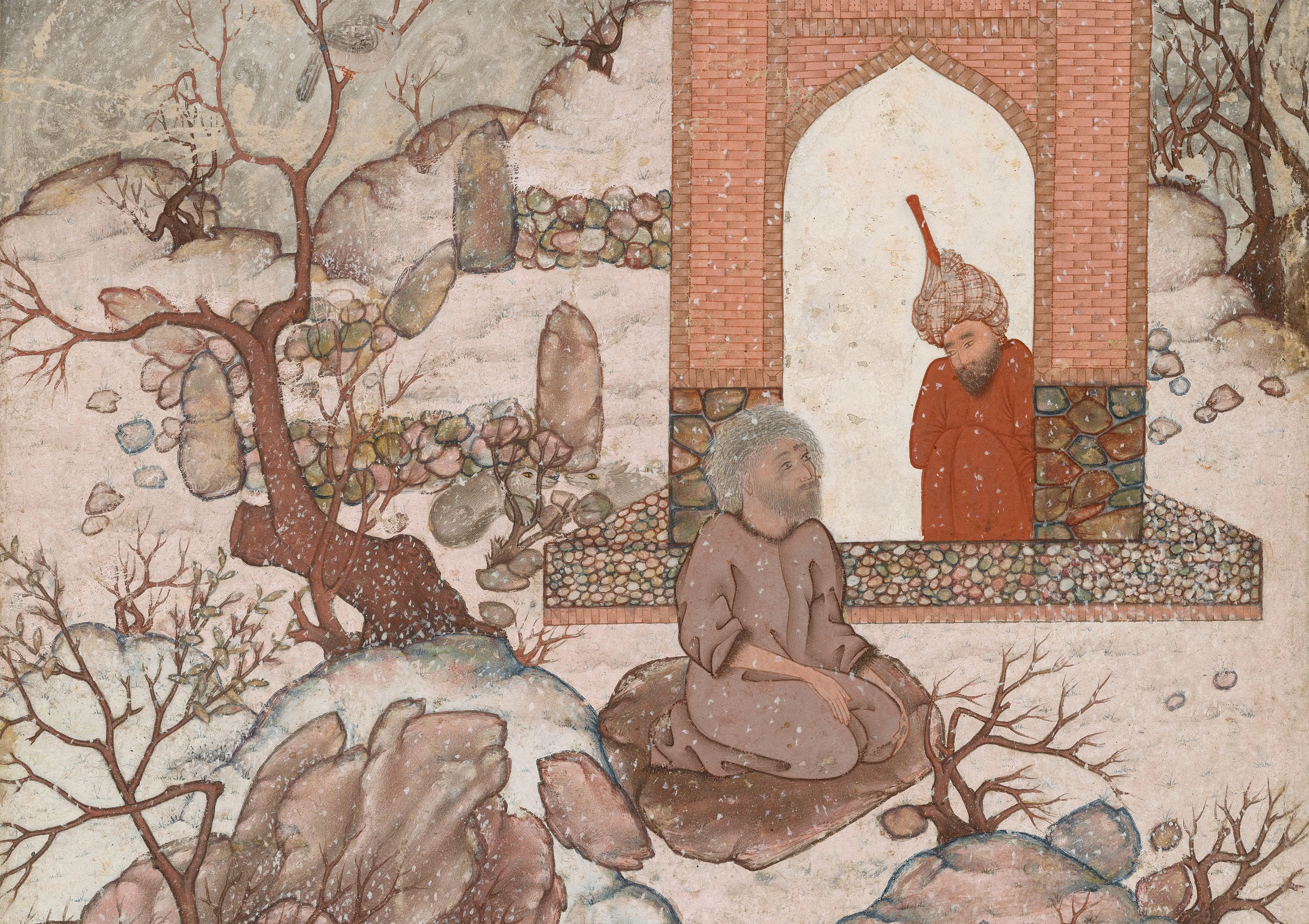
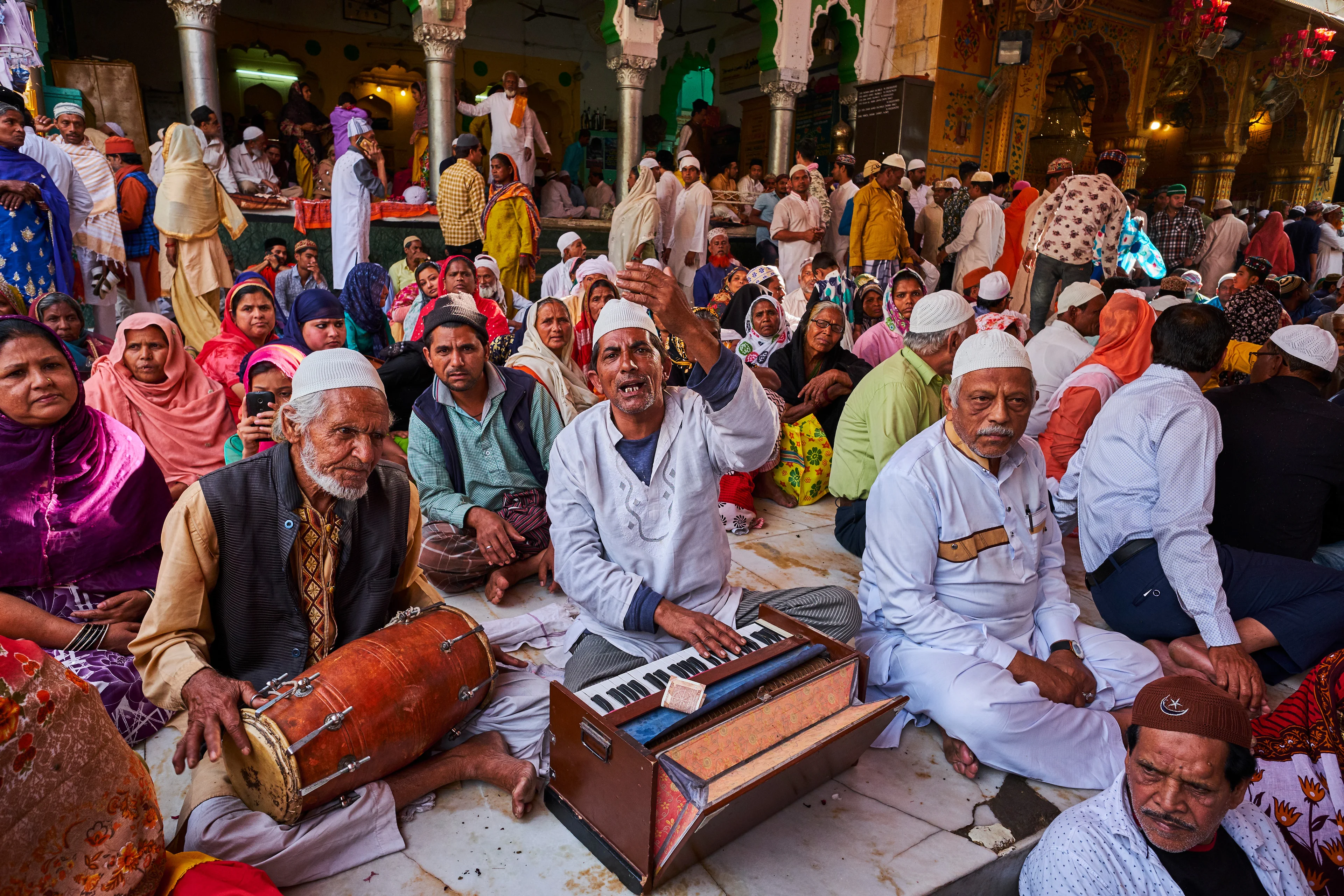
This project does not intend to provide a comprehensive view of Sufism and its numerous orders, its historical and religious developments, or principal centers. By focusing on a mere fraction of the countless locales associated with Sufi Islam over the centuries, Beyond Rumi: Sufi Art and Practice offers insight into some of the shared religious and social practices but also underscores the distinctiveness of each tradition.